
Last updated November 23, 2026
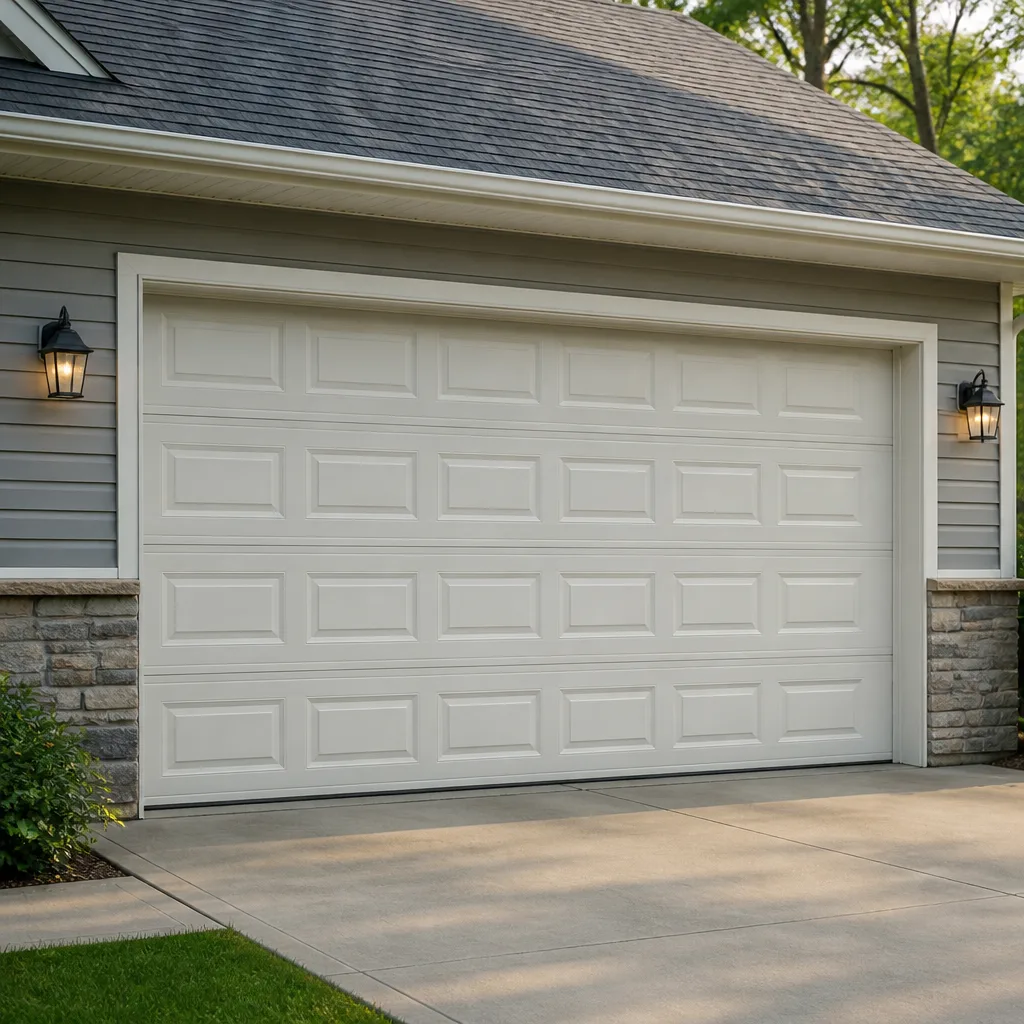 Raised-panel steel
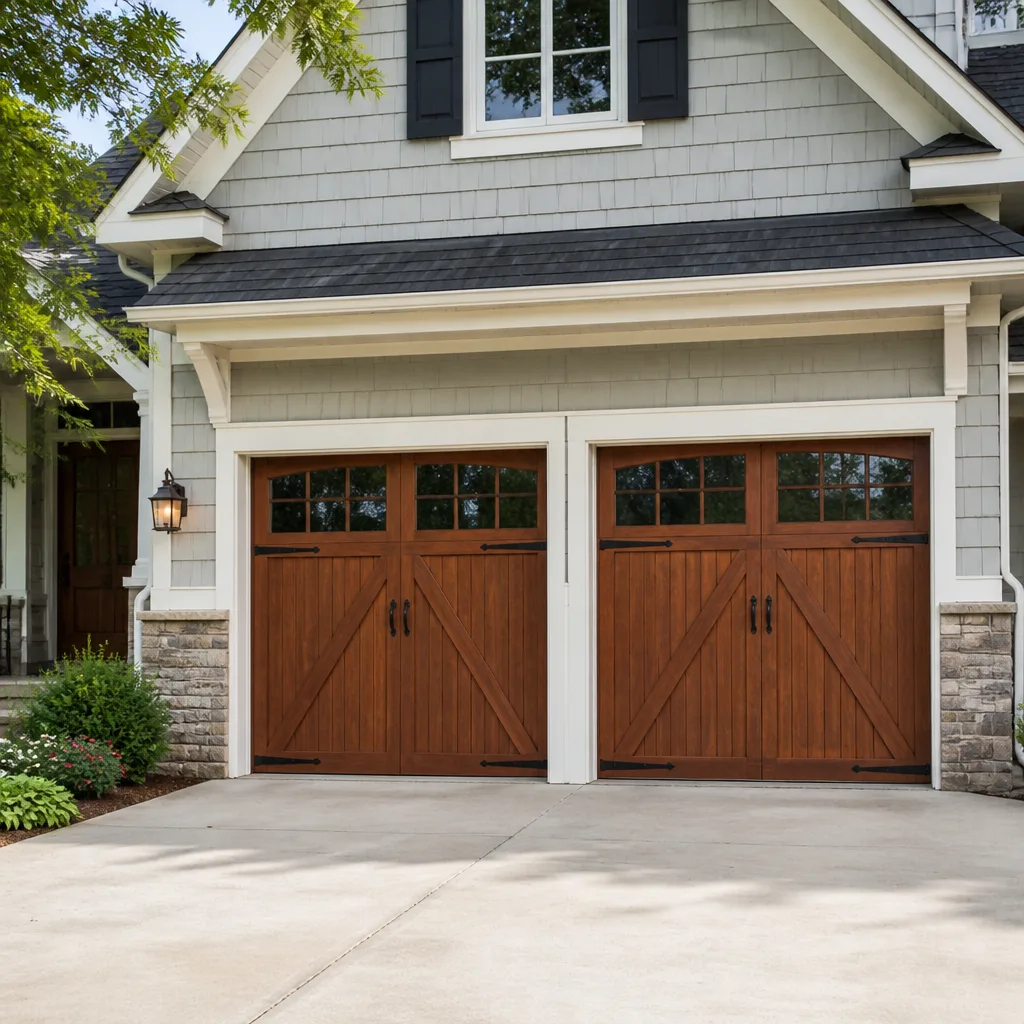 Carriage house
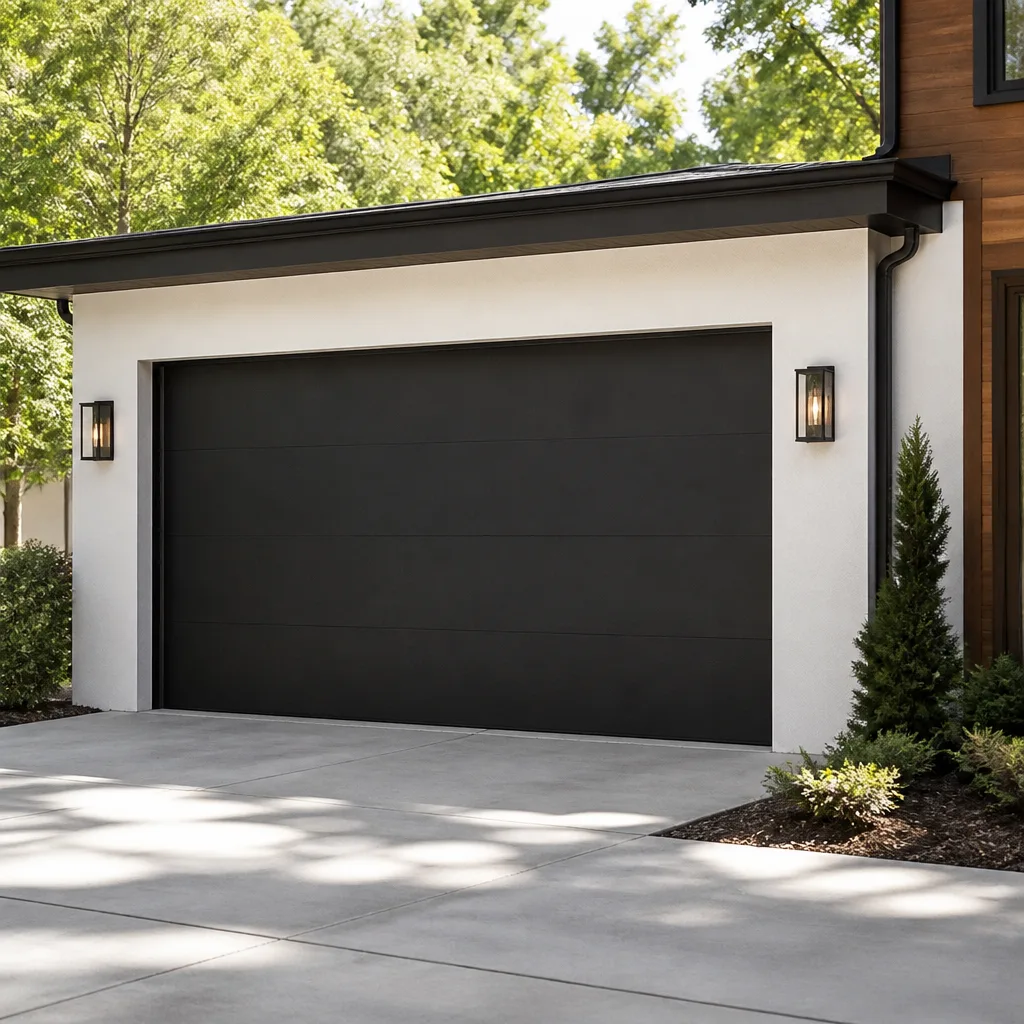 Modern flush
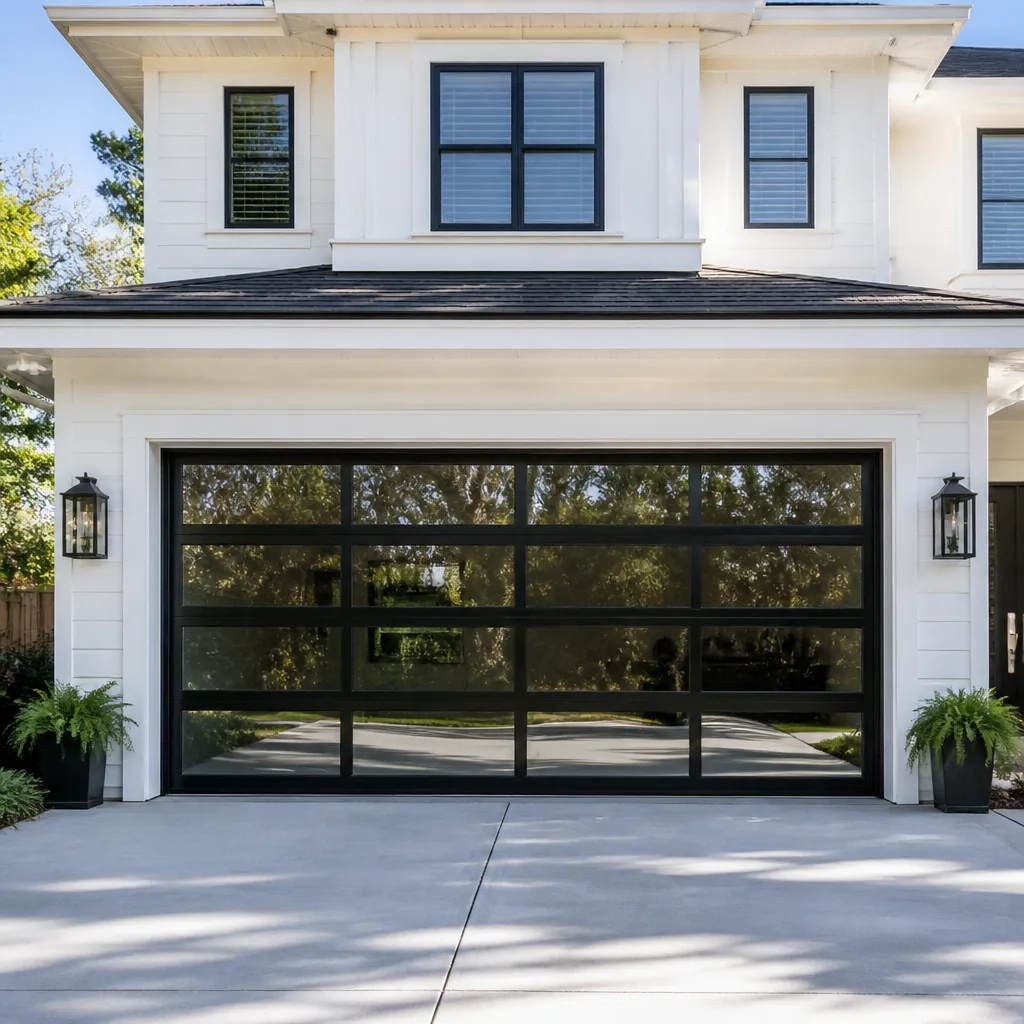 Full-view glass
 LiftMaster openers
 Chamberlain openers
Full 25-point door and opener safety check with every visit - springs, cables, rollers, tracks, and your LiftMaster or Chamberlain opener included
You get a price before we start. It does not change when the pro arrives.
Get your free estimateSeasonal Garage Door Care for Frederick: Year-Round Homeowner’s Guide
The spring that breaks in February didn’t fail in February. It fatigued all fall under thermal contraction, worked harder through every cold snap, and finally gave out on the coldest morning of the year, when you needed the car most. That’s the part most homeowners miss about garage doors in Frederick: the hardware doesn’t fail when the weather turns. It fails because of what the weather did months earlier. This guide maps the calendar to the equipment. You’ll learn what Frederick’s four seasons actually do to springs, weatherstripping, opener motors and hardware, the specific inspection sequence to run after mud season, and the tasks worth doing in each window so a failure never catches you off guard.
Quick Answer
Seasonal garage door care in Frederick means prioritizing different tasks in each season: fall for spring tension and hardware checks before cold metal contracts, winter for road salt and condensation management, spring for weatherstripping and rust inspection after the wet months, and summer for heat-stressed opener electronics and spring calibration. A garage door that gets four small seasonal check-ins lasts longer and fails less often than one that only gets attention when something breaks.
Styles & brands we work with
- Raised-panel steel
- Carriage house
- Modern flush
- Full-view glass
- LiftMaster openers
- Chamberlain openers
Table of Contents
- Why Frederick’s Climate Is Hard on Garage Doors
- Fall: Why September Is the Last Safe Window for Spring Work
- Winter: Road Salt, Frozen Seals, and Cold-Thickened Grease
- Spring: What the Wet Season Does to Seals, Wood, and Hardware
- Summer: Heat, Attic Temperatures, and Your Opener’s Circuit Board
- The Printable Seasonal Task Calendar
- The Post-Mud-Season Inspection Sequence
- Common Mistakes to Avoid
Why Frederick’s Climate Is Hard on Garage Doors
Frederick sits in a climate that swings hard in both directions, and a garage door is one of the few things on your house that lives directly in that swing. The door faces the weather on one side and an unheated, un-cooled space on the other. Every material in the assembly responds to temperature at a different rate. Steel panels expand and contract faster than the torsion spring above them. The spring itself changes its behavior with cold. Grease thickens. Weatherstripping hardens in the cold and softens in the heat. The opener’s motor and electronics live in an attic-level pocket that gets hotter than the outdoor air in summer and colder in winter.
That’s the core reason seasonal care matters more here than in mild climates. The hardware is being asked to stay calibrated across a wide annual swing, and each season stresses a different part of the system. Fall and winter load the springs and the seals. Spring loads the weatherstripping and any exposed metal. Summer loads the opener and the spring calibration. A door that’s never checked gradually drifts out of balance and out of adjustment, and the failure tends to land on the first genuinely harsh day of the next season.
One more local wrinkle: many Frederick homes have attached garages that share a wall with living space, which means the garage temperature tracks the house more closely than a detached garage would. That makes the door cycle more often in mild weather and puts more cycles on the springs per year. It also means a door that won’t seal costs you on the energy side, not just the noise side. We work on virtually every major brand, and the seasonal pattern holds whether the door is a Clopay steel model or an older wood Wayne Dalton. The materials change the details. The calendar doesn’t change.
Fall: Why September Is the Last Safe Window for Spring Work
September is the last comfortable window to adjust or service spring tension before Frederick’s cold sets in. Once the temperature drops and stays down, metal contracts, grease stiffens, and the spring that was carrying its load comfortably in September is now working against a tighter, heavier-feeling door. If a spring is out of balance or near the end of its cycle life, the cold is what pushes it over.
What a fall spring adjustment actually involves
A proper fall check isn’t a homeowner task. Torsion springs sit under high tension, and the cables and winding hardware can release that energy in an instant. The right approach for a trained technician is a measured one:
- Disconnect the opener and lift the door by hand to check balance. A balanced door stays put roughly halfway open. A door that drifts down or slams up is out of adjustment or has a spring losing tension.
- Inspect both springs for visible gaps, a stretched coil, or a separated winding. A spring with a gap has already failed and should not be cycled.
- Check the lift cables for fraying, kinks, and uneven winding on the drums.
- Verify the spring’s tension matches the door’s weight and that the two springs on a matched pair are carrying equal load.
- Test the door’s safety reverse and the photo-eye alignment before calling the job done.
If the door is out of balance or a spring shows wear, fall is the time to address it, not January. Our garage door spring repair work covers exactly this kind of pre-winter balancing and replacement. A matched pair of springs gets replaced together, because a new spring paired with a tired one just shifts the load onto the older spring. Two springs also need to be matched by wire gauge and inside diameter, and that’s where brand-specific knowledge matters. We work on Clopay, Amarr, Wayne Dalton, Craftsman, Raynor, LiftMaster, Chamberlain, and Genie equipment, so the tension specs and winding hardware are familiar rather than guesswork.
Two other fall tasks belong on the list before the first hard freeze. Clear the tracks of grit and lubricate the rollers and hinges with a product rated for cold weather, not a general-purpose oil that turns gummy below freezing. And check the bottom weather seal, because a seal that’s already cracking will let cold air and moisture in all winter.
Winter: Road Salt, Frozen Seals, and Cold-Thickened Grease
Winter loads a garage door three ways at once: chemical, moisture, and mechanical. Each one has a specific fix, and none of them require you to get under the door with tools.
Road salt drift
Cars pull into the garage with road salt still clinging to the wheel wells, rocker panels, and undercarriage, and that salt ends up on the garage floor. When it dries, it becomes a fine dust that settles on the bottom section, the hinges, and the roller tracks. Over a winter, that dust is abrasive and corrosive. It chews through paint on the lowest panel and accelerates rust on the hinges and bottom brackets. Rinsing the garage floor and wiping down the bottom section every few weeks removes the salt before it works its way into the seams. The bottom panel is the one that takes the worst of it, since it sits closest to the wet floor and the splashing.
Condensation freezing between sections
When warm, moist air from a heated attached garage hits the cold inner face of a steel door, it condenses. If that moisture gets into the seams between panels or into the weatherstripping, it can freeze overnight and bind the door the next morning. The door comes off the ground with a crack and a jolt, and that jolt puts extra strain on the opener and spring. Keeping the garage as dry as practical helps. So does making sure the door seals properly at the bottom and sides, because a good seal keeps the cold outer air off the warm inner faces where the condensation forms. If you notice the door sticking or a frost line along the bottom, that’s a seal problem, not a door problem, and it’s worth a look before the next cold snap.
Cold-thickened grease and opener strain
Grease and lubricant thicken as temperature drops, and a door that needs the opener to do the heavy lifting because the springs aren’t quite carrying their share puts more load on the motor. The motor runs longer per cycle and draws more current, which is where opener strain shows up in winter. This is one reason a balance check in fall pays off now. If the opener sounds like it’s working harder than it used to, or the door reverses before it fully closes, the cause is often in the door’s balance rather than the opener itself. Our garage door opener repair work starts with the door, not the motor, because a strained opener is usually a symptom.
Clear ice from the bottom seal after an ice storm. Don’t chip at it with a metal tool, because the seal and the bottom bracket can be damaged. Use a plastic scraper or let it thaw. And never force a door that’s frozen shut. Call and let a trained technician free it safely.
Spring: What the Wet Season Does to Seals, Wood, and Hardware
Frederick’s wet season is the season of slow damage. Water doesn’t fail a garage door the way cold does. It works its way into seams, saturates wood, and starts the rust process on hinges and fasteners, and the effects show up over weeks rather than overnight. Spring is when you find out what winter did and get ahead of what the wet months will do.
Bottom weatherstripping
The bottom seal is the most water-exposed component on the whole door. It presses against a floor that’s wet, it sits in pooled water at the door’s base, and it flexes every cycle. A seal that’s cracked, compressed, or torn lets water in and lets cold air out. Check it by pressing a hand along its length. It should feel pliable and spring back. A seal that’s hard, split, or flattened has failed and should be replaced. This is one of the cheaper jobs on the whole door and one of the most consequential, since a bad seal lets water into the garage floor, onto stored items, and into the door’s seams.
Wood door panels
If you have a wood door, or a steel door with wood-look overlays, the wet season is when moisture finds the seams. Wood needs a sound finish to stay stable. Any spot where the paint or finish has lifted, cracked, or peeled is a spot where water can get into the grain. A wood door that absorbs water swells at the joints, and that makes the door heavier and harder to operate, which puts more load on the spring and opener. Check the bottom rail first, since it sits closest to the wet floor and gets the most splash. Re-finishing a spot before the grain absorbs water is far easier than repairing a swollen panel.
Rust-prone hardware
Hinges, roller stems, the bottom bracket, and the fasteners throughout the door are all bare or plated metal, and the wet season is when rust starts. Surface rust on a hinge is mostly cosmetic, but rust that reaches a pivot point makes the hinge stiff, and a stiff hinge makes the door harder to lift and adds strain to the opener. A light coat of lubricant on the hinges and roller bearings, applied after the wet season and again before winter, keeps pivots working. Check the roller stems for rust too, because a rusted stem binds inside the hinge.
Our garage door repair work in spring tends to focus on seal replacement, hardware and roller wear, and the balance and safety tests that tell you whether winter did any deeper damage. If you’ve noticed the door running rough, that’s the time to call.
Summer: Heat, Attic Temperatures, and Your Opener’s Circuit Board
Summer is the opposite problem from winter, and it stresses the parts winter leaves alone: the opener’s electronics and the spring’s calibration. The garage reaches temperatures that surprise people, especially on attached garages with a hot attic above and a west-facing door that catches the afternoon sun. That heat does specific things to specific components.
Torsion spring calibration in the heat
Steel expands with heat, and the spring’s behavior changes slightly as the door it’s carrying warms and cools. A door that’s perfectly balanced in the cool morning air can feel slightly heavy in the afternoon heat, and a door that’s already close to out of balance can feel noticeably worse. That’s not a failure in itself, but it’s a signal. If the balance shifts enough that you notice it, the door’s calibration is marginal and worth checking. A door that feels heavy in summer will feel heavier in winter, and the spring may be partway through its fatigue cycle without having failed yet. Summer is a good time to have the balance checked, when the door is under the least cold stress and the true condition is easiest to read.
Opener circuit boards
The opener’s logic board and motor controller live in a housing mounted to the ceiling, right in the hottest air in the garage. Heat degrades electronics over time. It also causes a specific kind of summer problem: the opener responds erratically, forgets its travel limits, or stops partway and reverses. Those symptoms often trace back to a board that’s getting too hot, not a board that’s failed. Ventilation helps. So does making sure the opener isn’t boxed in by stored items. If the opener has been reliable in mild weather and erratic in heat, heat is the likely cause and the unit needs diagnosis rather than a guess. We work on LiftMaster, Chamberlain, Genie, and Craftsman openers, so the diagnostic path for the specific board is familiar.
Other summer tasks
- Check the door’s finish for sun fading and heat checking, especially on south- and west-facing doors.
- Lubricate the hinges and roller bearings again; summer heat dries out light lubricants.
- Test the safety reverse and photo-eyes, since heat can shift their alignment slightly.
- Clear the area around the opener so it gets airflow.
The Printable Seasonal Task Calendar
Tape this inside the garage so the seasons don’t sneak up on you. It’s a homeowner checklist, not a repair manual. Anything involving springs, cables, or the door’s balance belongs to a technician, and this calendar marks those points rather than walking you through them.
Fall (September through November)
- Book a spring tension and door balance check before cold weather sets in.
- Lubricate hinges and roller bearings with a cold-rated product.
- Check the bottom seal for cracking and replace if hard or split.
- Clear grit from the tracks.
- Confirm the safety reverse and photo-eyes work.
Winter (December through February)
- Rinse the garage floor to clear road salt every few weeks.
- Wipe down the bottom panel and hinges where salt dust settles.
- Clear ice from the bottom seal with a plastic scraper, never metal.
- Listen for opener strain and watch for premature reversing.
- Keep the garage as dry as practical to limit condensation freeze.
Spring (March through May)
- Run the post-mud-season inspection (below).
- Replace a worn bottom weather seal.
- Touch up any lifted finish on wood panels or wood-look overlays.
- Lubricate hinges and roller stems after the wet months.
- Check for rust at pivot points and fasteners.
Summer (June through August)
- Check door balance in the afternoon heat and note any heaviness.
- Watch the opener for erratic travel or reversing and call if it persists.
- Clear stored items away from the opener housing for airflow.
- Inspect the finish on sun-exposed panels.
- Lubricate again and re-test the safety reverse.
The Post-Mud-Season Inspection Sequence
Run this sequence once the wet season has passed and the ground has firmed up. It’s ordered so each step sets up the next, and it tells you what to fix before summer, which is far cheaper than discovering it in January.
- Walk the door’s full travel with the opener disconnected and check the balance. A balanced door holds roughly halfway open.
- Look at both springs for gaps, stretched coils, or an uneven pair. Don’t touch them. Just note what you see.
- Inspect the lift cables for fraying or uneven drum winding.
- Run a hand along the bottom seal and press it. It should be pliable and spring back.
- Check the bottom rail and lower panels for water damage, lifting finish, or rust starting at the seams.
- Test each hinge and roller by hand for stiffness or binding.
- Clear the tracks, then test the safety reverse by placing an object in the door’s path.
- Confirm the photo-eyes are aligned and clear of debris.
Steps one through three are diagnostic. Anything that shows a problem there needs a trained technician, not a homeowner with a wrench. Steps four through eight are homeowner tasks, and they’re the ones that keep the door working until the next season.
Common Mistakes to Avoid
- Testing spring tension by hand or trying to adjust it yourself. Torsion springs store enormous energy, and a spring that lets go while you’re working on it can cause serious injury. Leave spring work to a technician.
- Waiting for a failure before booking any service. A spring near the end of its life tends to fail on the coldest morning, when you need the car, and winter is the worst time to be without a working door in Frederick.
- Using a warm-weather grease in winter. General-purpose oil thickens below freezing and adds strain to the opener. Use a product rated for cold temperatures.
- Ignoring road salt dust on the bottom panel and hinges all winter. By spring, the rust has started and the paint has lifted. A rinse every few weeks prevents it.
- Forcing a door that’s frozen or stuck. Forcing it can bend the track, strip the opener gear, or snap a cable. If it won’t move freely, stop and call.
- Skipping the fall balance check because the door “seems fine.” A door that’s slightly out of balance works its spring harder every cycle, and the fatigue builds invisibly until it fails.
- Assuming a strained opener needs a new motor. A door that’s out of balance makes any opener work harder. The fix is often in the door’s spring and hardware, not the opener.
See the difference
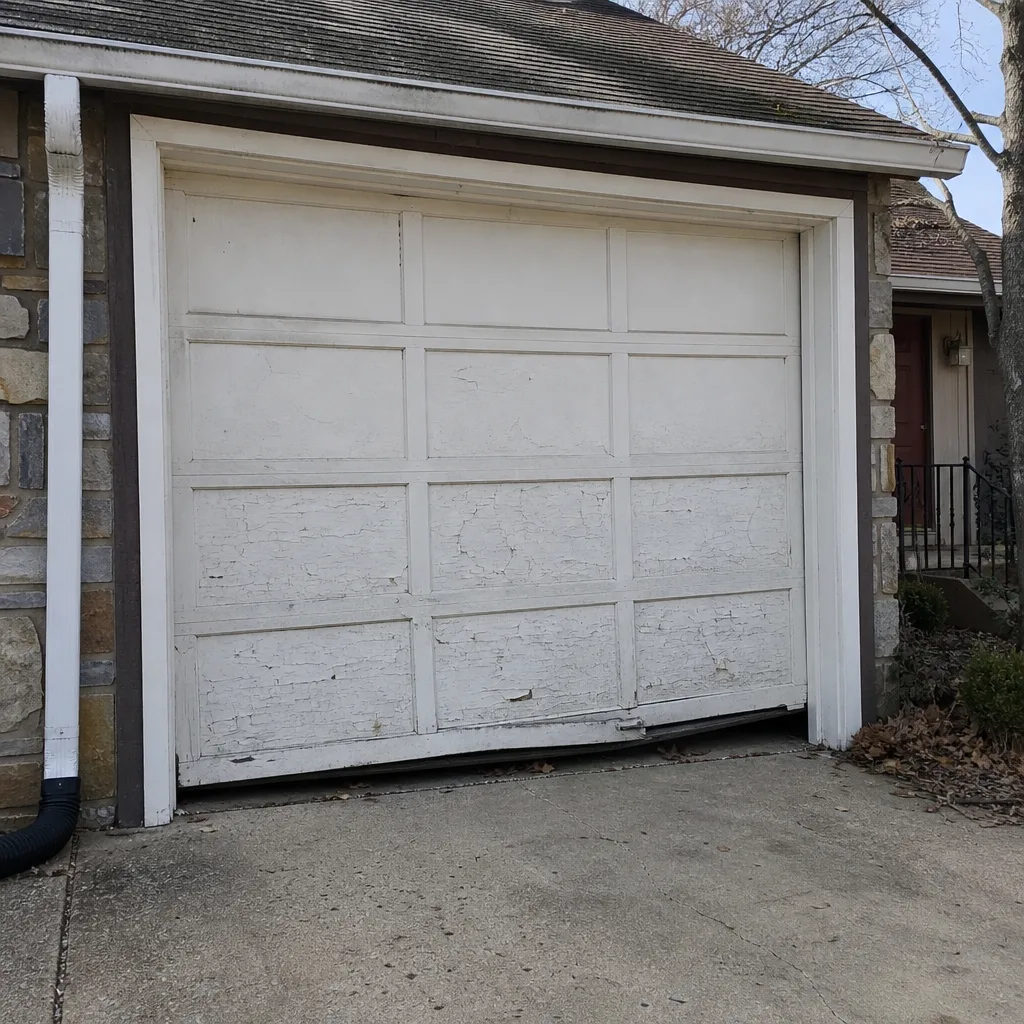 Before
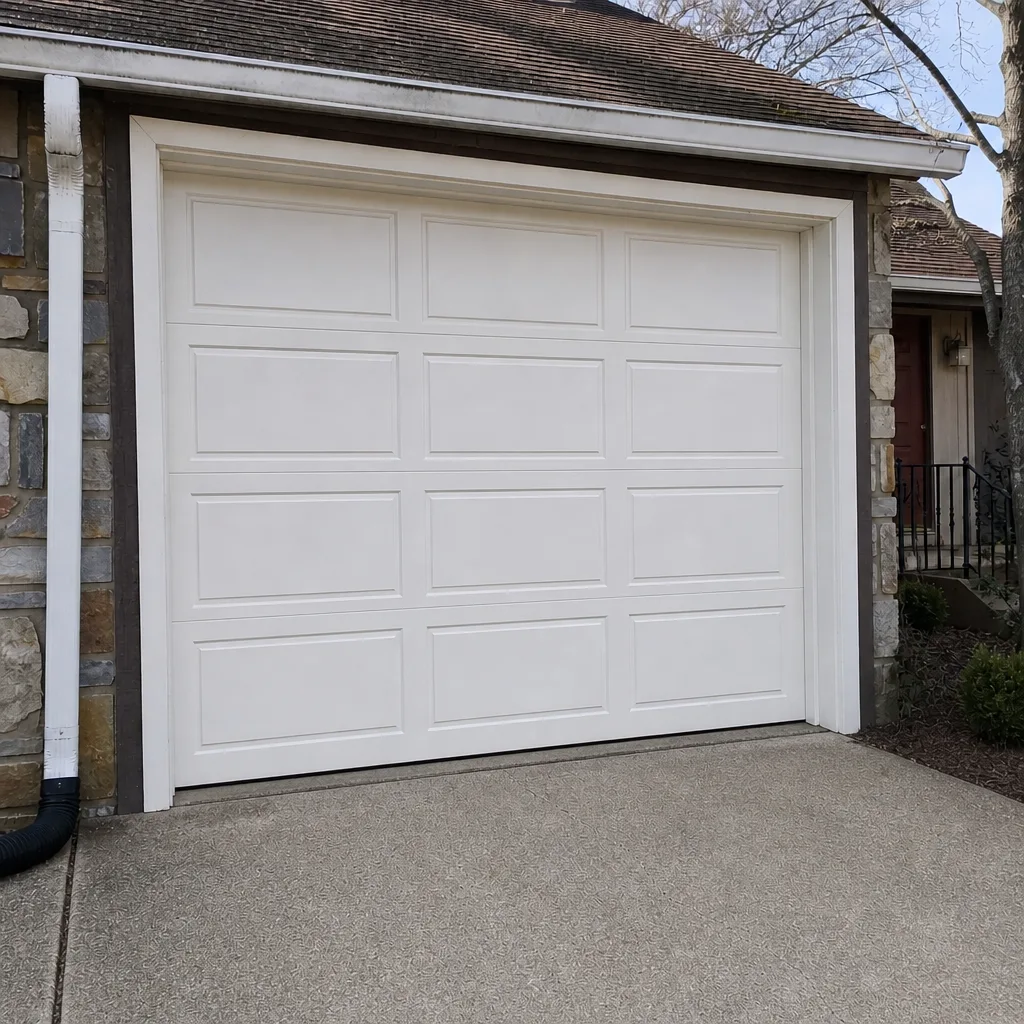 After
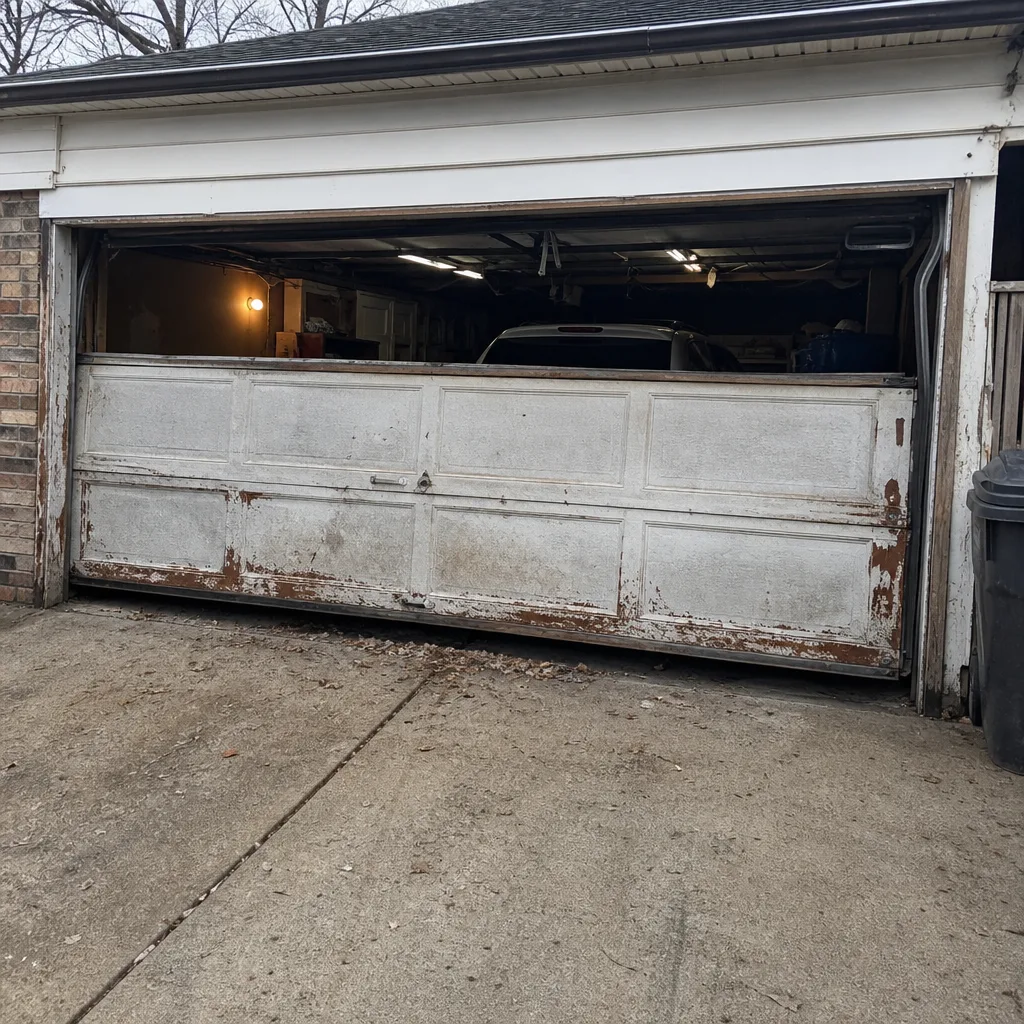 Before
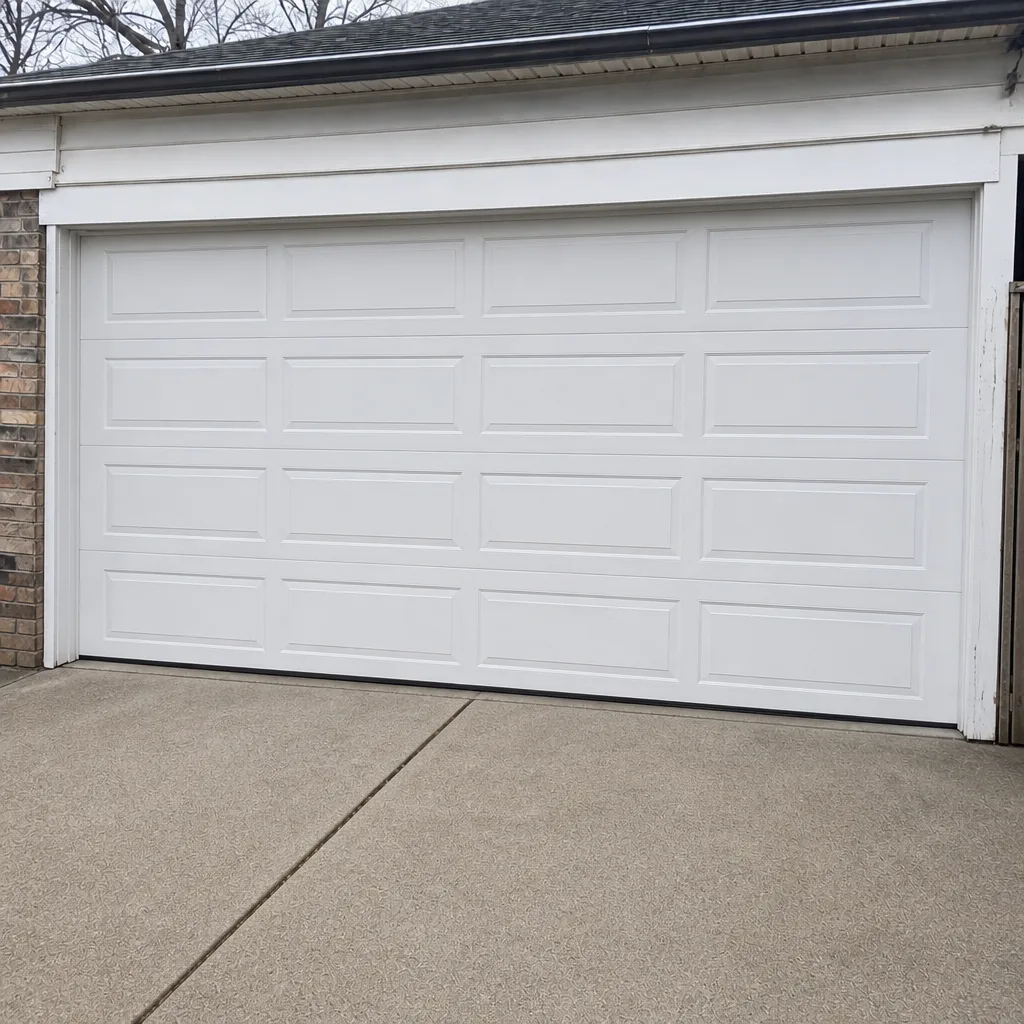 After
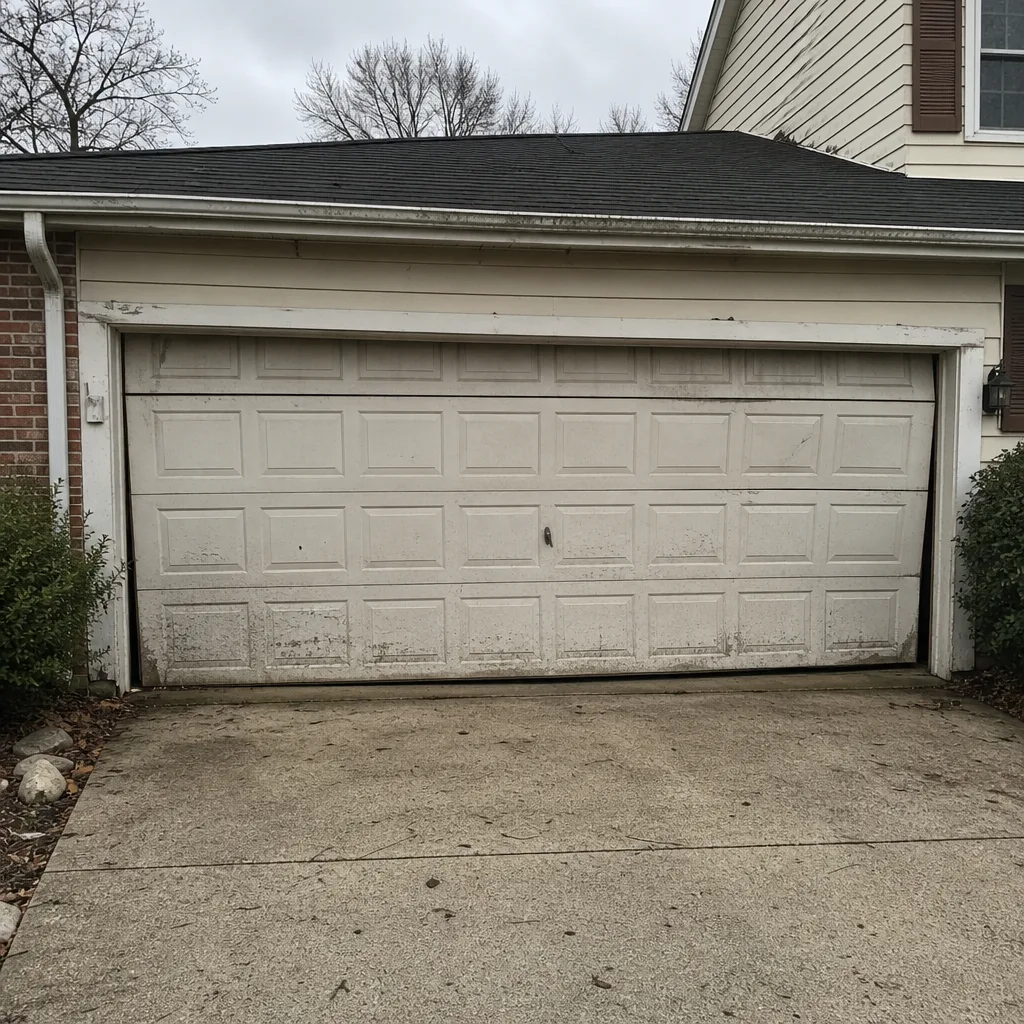 Before
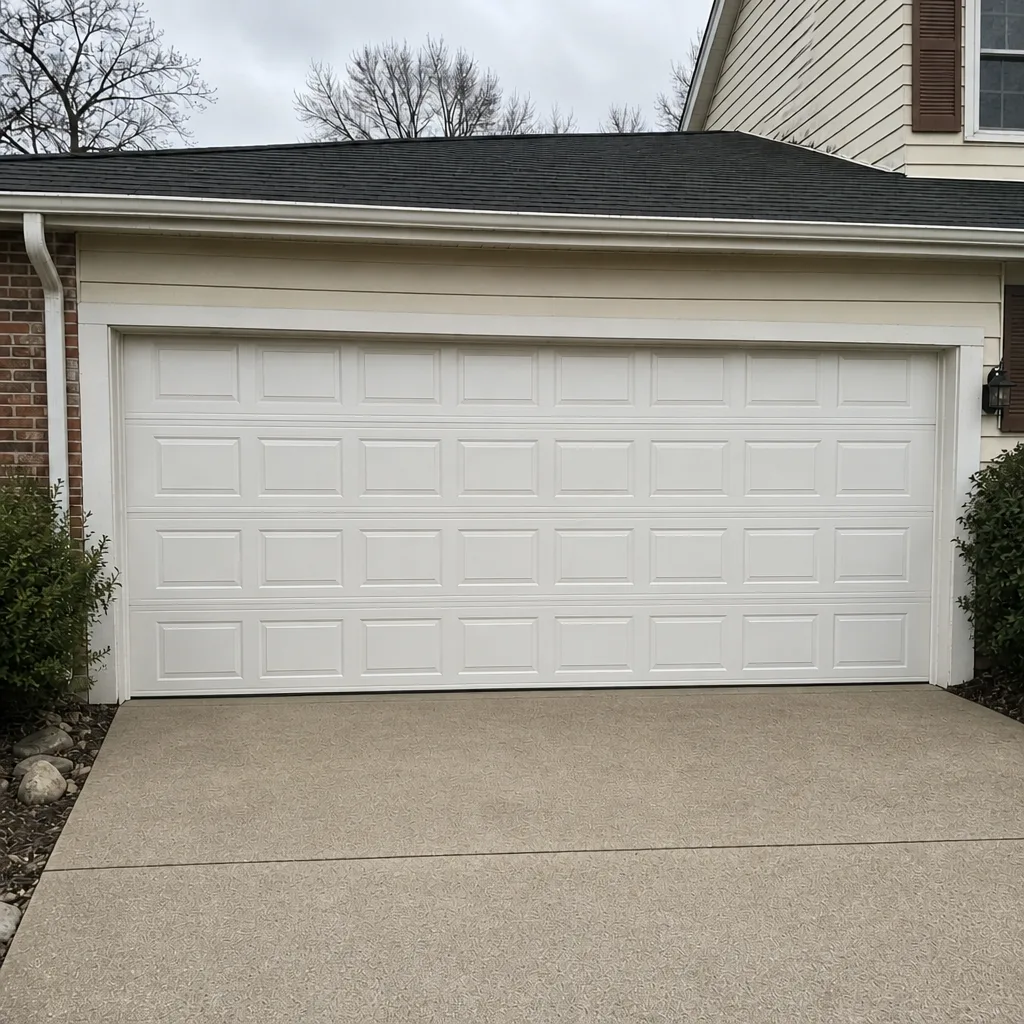 After
When to Call a Professional
Some jobs belong to a trained technician, and in a climate like Frederick’s those jobs come up every year whether you plan for them or not. Call when a spring shows a gap or the door won’t balance; when the door comes off the ground with a jolt or reverses on its own; when the opener runs but the door doesn’t move; when a cable is frayed or off its drum; when the door is stuck open or closed and you can’t leave it that way; or when you’ve run the seasonal checklist and something doesn’t feel right. Spring work and cable work are the dangerous end of the trade, and they’re the part of the door that’s most worth a specialist. We work on virtually every major brand, and garage doors are all we do, so the diagnosis is direct rather than exploratory. Frederick Garage Door Repair Pros offers free estimates in Frederick; call (855) 658-4191. We answer 24/7. Fast dispatch from 7am to 7pm, Sunday through Friday, and we’re closed Saturday. The price is quoted and agreed before any work starts, so there’s no invoice surprise after the fact.
Frequently Asked Questions
Once a year is the baseline, and fall is the best time to book it because the check happens before cold weather stresses the springs. A door that cycles heavily, or one that’s showing balance or noise issues, benefits from a mid-year check as well. Our technicians have up to 11 years of experience, and the pattern we see is that yearly service catches most problems before they become failures.
No. Torsion springs are under high tension, and the winding hardware and cables can release that energy in an instant. Adjusting or replacing a spring requires specialized tools and training, and an error can cause serious injury. Call a professional for all spring work. Our garage door spring repair is handled as a core service, not an afterthought.
The most common causes are condensation freezing between door sections, a bottom seal that’s frozen to the floor, or grease that’s thickened in the cold and is binding the rollers. Clear ice with a plastic scraper, never metal, and don’t force the door. If it sticks repeatedly, the seal, tracks, or balance likely need attention, and it’s worth a call before the next cold snap.
Some extra effort is normal, since the door’s spring calibration shifts slightly with heat, but a door that struggles noticeably or an opener that reverses on its own is a sign to get it checked. Heat degrades the opener’s electronics and makes a marginal spring calibration worse. If the opener behaves erratically only in heat, the cause is often heat-related and needs diagnosis.
A seasonal check covers door balance, spring condition, cables, roller and hinge wear, the bottom seal, track alignment, and the opener’s safety reverse and photo-eye function. It’s diagnostic and preventive, and it tells you what needs fixing before it becomes a failure. It’s not a repair manual; jobs that involve spring tension or cable work get done by a technician.
Yes. Wood doors need the finish kept sound, because water that gets into the grain swells the panels and makes the door heavier, which loads the spring. Check the bottom rail first, since it sits closest to the wet floor and gets the most splash. Steel and wood-look doors still need seam inspection and hardware lubrication, but the finish matters most on wood.
The Bottom Line
Seasonal garage door care in Frederick isn’t about doing more. It’s about doing the right thing in the right window, before each season loads the hardware. Fall is for spring tension and balance, winter for salt and condensation, spring for seals and rust, summer for opener electronics and calibration. Run the printable calendar and the post-mud-season inspection, stay off the springs and cables, and call when something doesn’t feel right. A door that gets four small check-ins a year lasts longer and fails less often than one that only gets attention when it breaks, and in a climate that swings this hard, that difference shows up every year. Call (855) 658-4191 for a free estimate. We answer 24/7. Fast dispatch from 7am to 7pm, Sunday through Friday, closed Saturday.
Written by the team at Frederick Garage Door Repair Pros.