
Last updated November 23, 2026
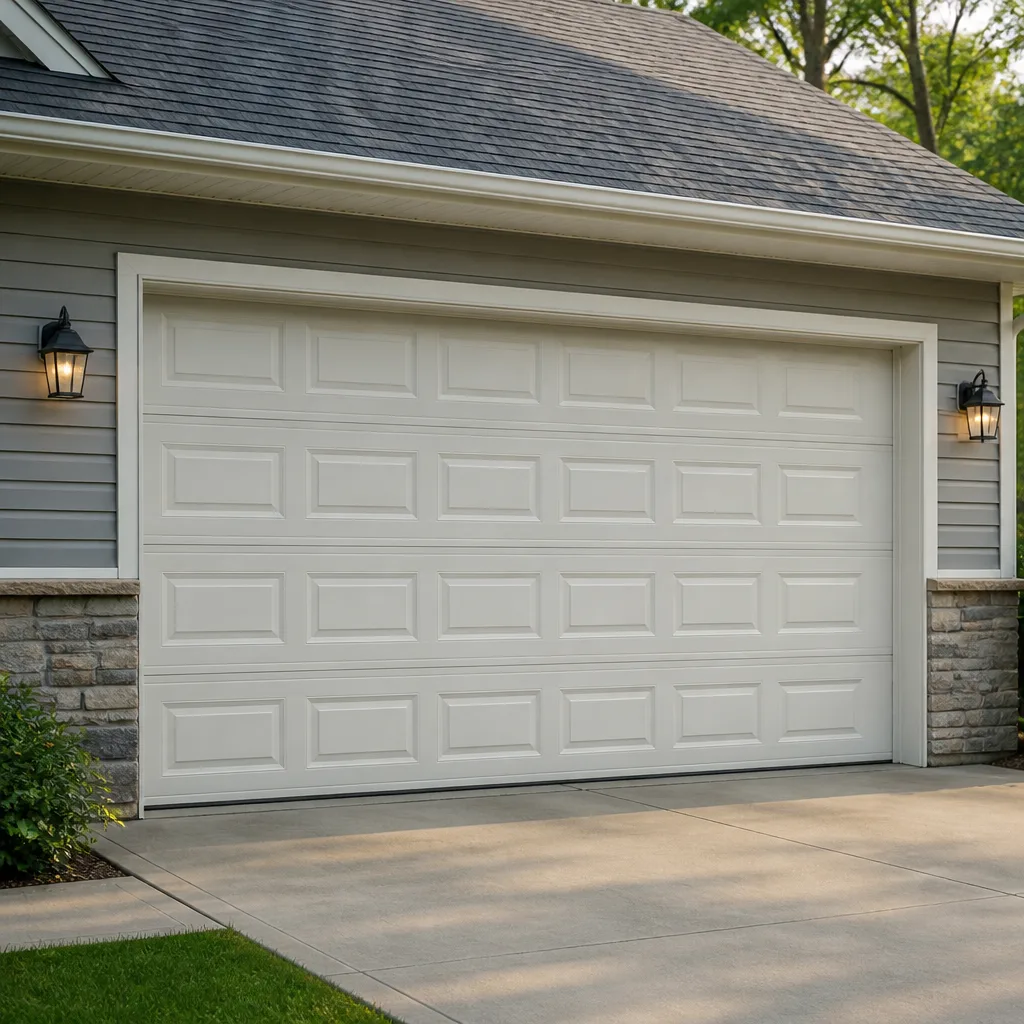 Raised-panel steel
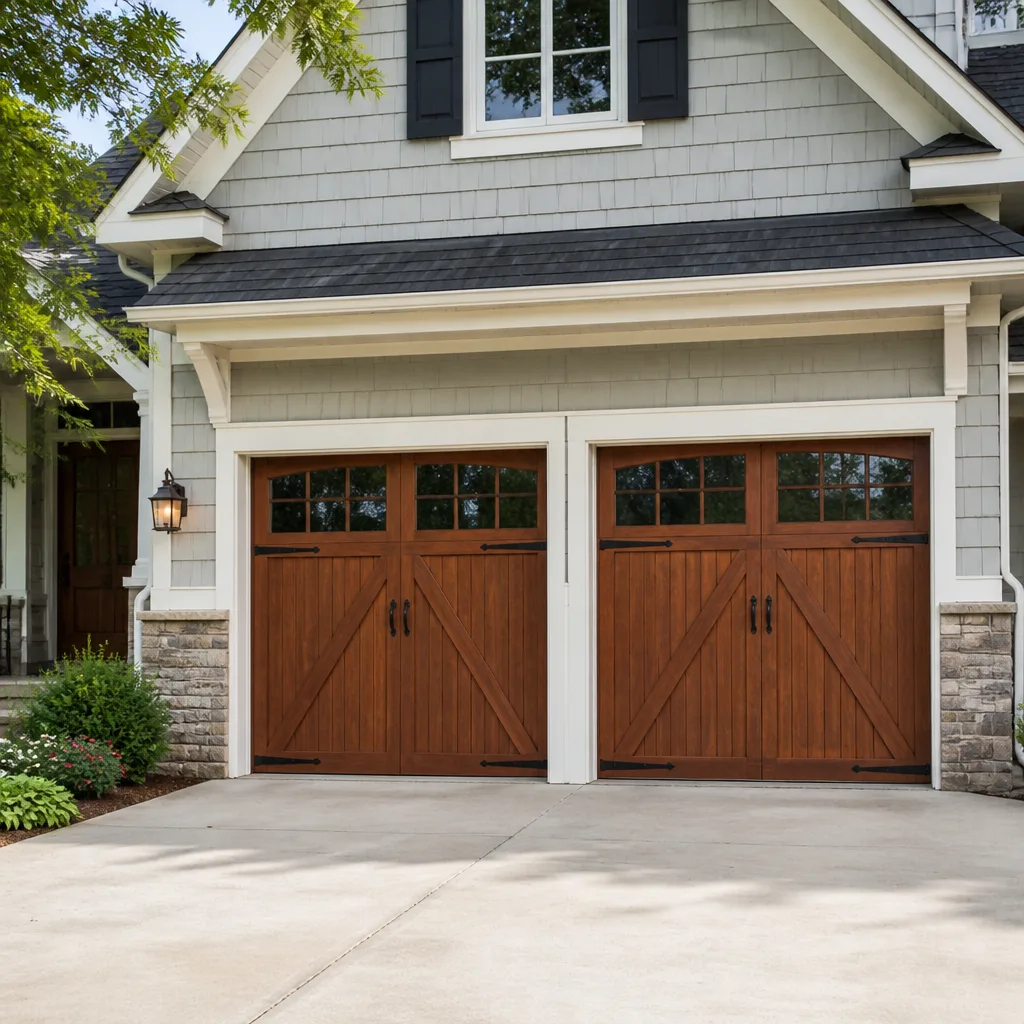 Carriage house
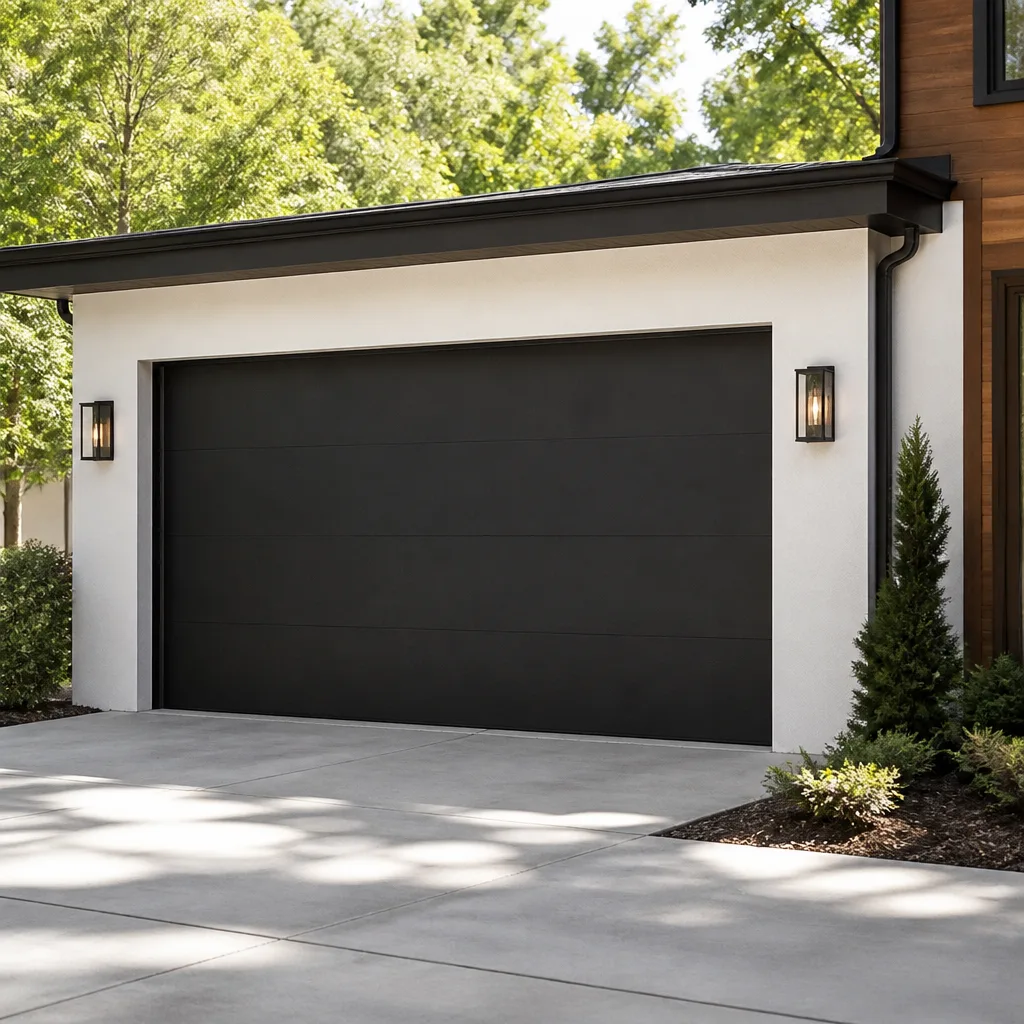 Modern flush
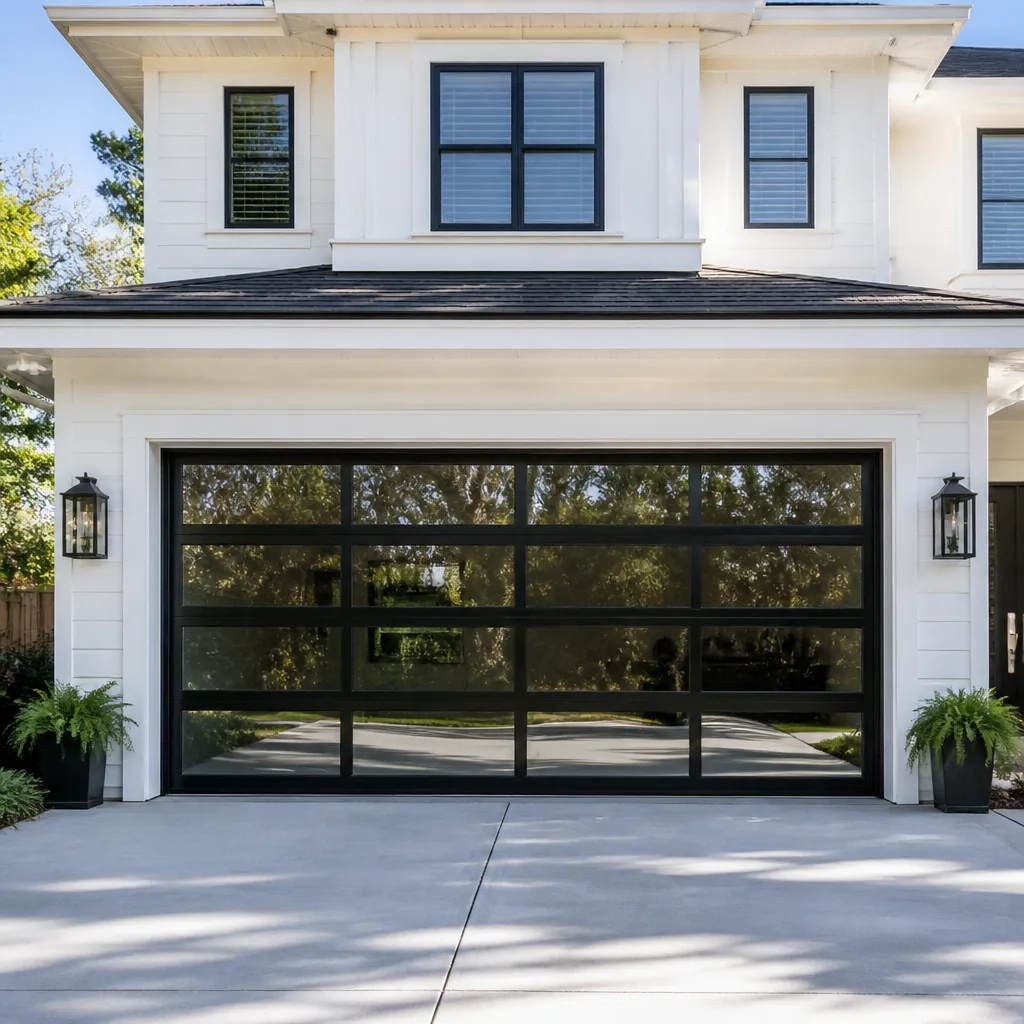 Full-view glass
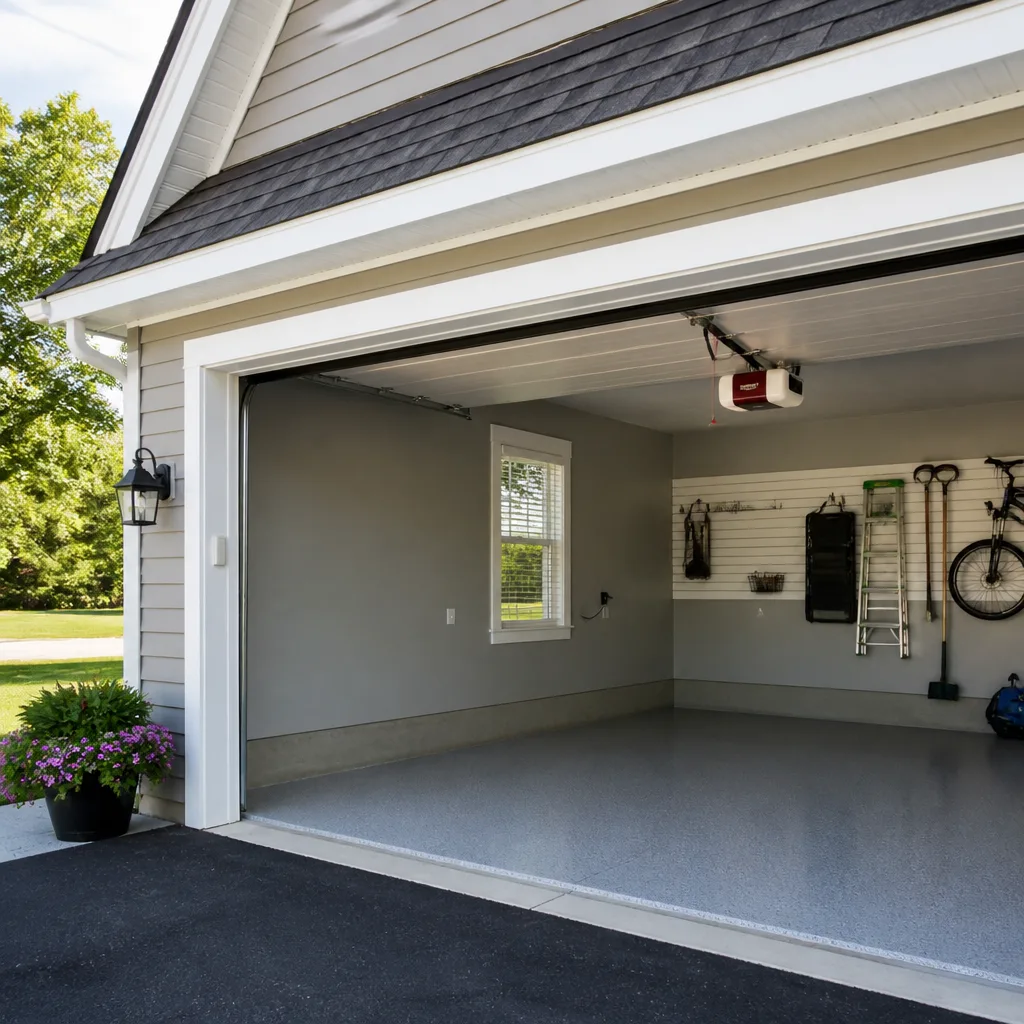 LiftMaster openers
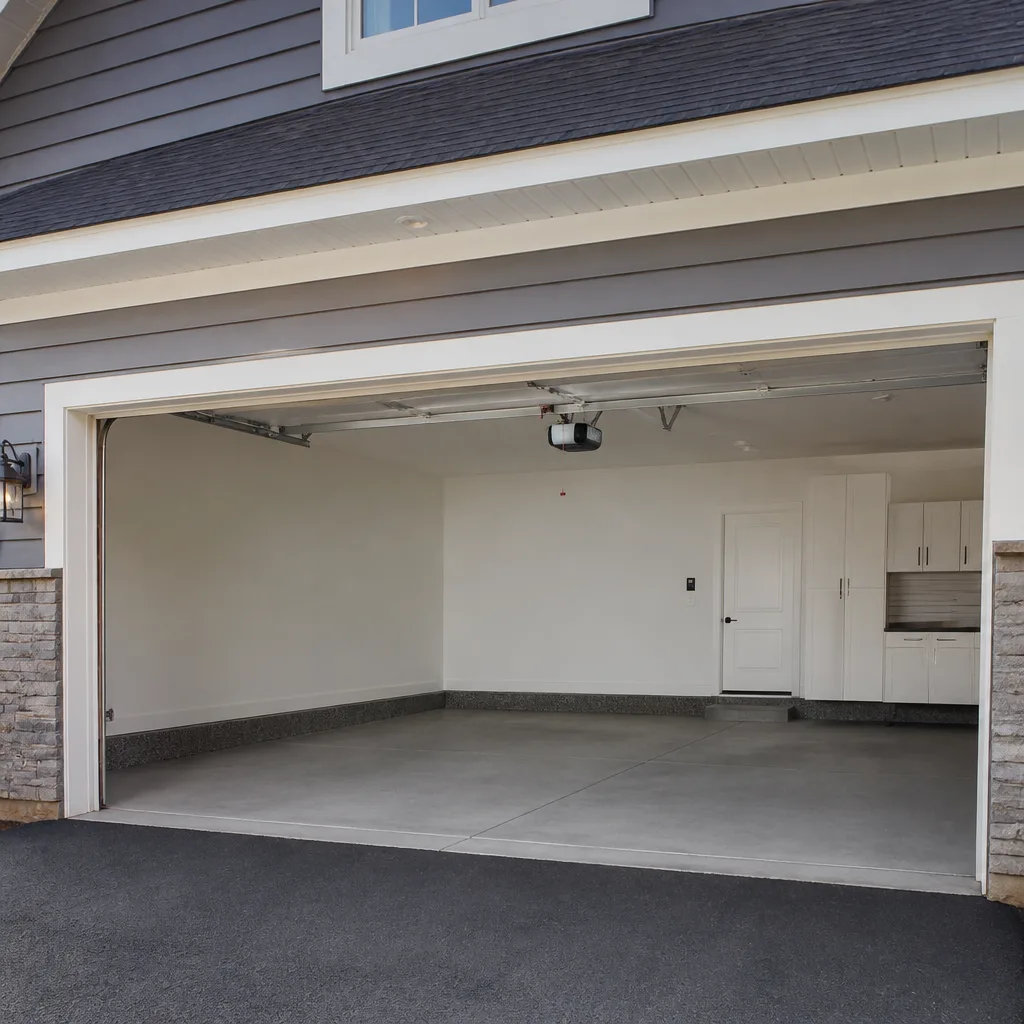 Chamberlain openers
Full 25-point door and opener safety check with every visit - springs, cables, rollers, tracks, and your LiftMaster or Chamberlain opener included
You get a price before we start. It does not change when the pro arrives.
Get your free estimateDIY vs Professional Garage Door: The Frederick Homeowner’s Decision Guide
Most garage door advice online is either too cautious or too reckless. One site tells you to never touch the door yourself; another hands you a wrench and points at a torsion spring. Both miss the real point. Some garage door tasks are genuinely safe for an attentive homeowner, and some carry enough stored energy to change your life in a fraction of a second. The problem is that nobody draws the line clearly. This guide does. You’ll get a three-tier task list, the actual physics behind spring danger, a realistic tools budget, and the cost math on when DIY saves money in Frederick and when it doesn’t.
Quick Answer
Lubricating rollers, hinges and tracks, adjusting an opener’s limit switch, and replacing weatherstripping are safe DIY tasks for most homeowners. Spring, cable and high-tension hardware work is professional-only, and it isn’t about your skill level; it’s the stored energy. Anything involving the door’s balance, the torsion system, or opener force limits that a spring failure caused should go to a trained technician.
Styles & brands we work with
- Raised-panel steel
- Carriage house
- Modern flush
- Full-view glass
- LiftMaster openers
- Chamberlain openers
Table of Contents
- The Real Question: What’s Your Risk Tolerance?
- Three Tiers of Garage Door Work: Safe DIY, Risky DIY, Professional Only
- Why Torsion Springs Are Different: The Physics, Not the Skill
- Tools You Actually Need (and What to Skip)
- How to Evaluate Your Door’s Condition Before You Decide
- The Cost Math: When DIY Saves Money and When It Doesn’t
- Frederick-Specific Factors: Climate, Housing Stock and Market
- Opener Work: What’s Safe and What Isn’t
The Real Question: What’s Your Risk Tolerance?
The DIY vs professional question isn’t a lifestyle choice. It’s a risk calculation, and the calculation has a sharp cutoff point. On one side you have maintenance tasks where the worst outcome is a slightly worse-running door. On the other side you have hardware under tension that can injure you the moment it fails.
Here’s the framework we’d give any Frederick homeowner before they pick up a wrench. Ask three questions about any garage door task:
- Does the task involve releasing or redistributing stored tension? If yes, that’s a professional job, full stop.
- Does the task require the door to move while you’re in its path? Adjusting an opener’s travel limits involves the door in motion. It’s manageable for a careful homeowner, but you’re near moving weight.
- If you get it wrong, does the failure mode affect the whole door system? A badly adjusted limit switch can stress the opener. A bad spring can drop the door. Those two risks aren’t the same size.
Most homeowners we talk to in Frederick already know they don’t want to mess with springs. The confusion is in the middle ground: things like roller replacement, track alignment, and weatherstrip that feel mechanical but aren’t dangerous. Those are where the honest answer is usually “go ahead, just watch how the door behaves after.”
One more piece of context. A garage door is the largest moving object in a home. It weighs a couple hundred pounds for a standard single-car door and more for a double. Every safety decision should start from that fact.
Three Tiers of Garage Door Work: Safe DIY, Risky DIY, Professional Only
This is the list that most guides won’t give you. It’s not cautious filler. It’s what we’d tell a friend.
Tier 1: Safe DIY
These tasks are within reach for any attentive homeowner with basic tools. No tension, no heavy lifting, no door in motion over your head.
- Lubricating rollers, hinges and tracks with a garage-door-rated lubricant
- Wiping down and lubricating the torsion tube bearings (at the ends, not the springs)
- Replacing bottom weather seal and side jamb seals
- Tightening loose hinge and bracket bolts
- Cleaning photo-eye lenses and realigning them if a door won’t close
- Cleaning tracks with a rag and mild cleaner
- Replacing opener remote batteries and re-pairing remotes to a LiftMaster, Chamberlain or Genie unit
- Vacuuming out the opener housing vents if dust has built up
Tier 2: DIY With Risk (Know What You’re Doing)
These are doable for a careful homeowner who reads the manual and understands how the system works. They carry consequences if botched, but the consequences are damaged equipment, not injury.
- Adjusting opener travel limits and force settings (you need to understand what the settings do)
- Aligning a track that’s slightly out of plumb (never force a bent track back)
- Replacing rollers, if the door is fully closed and secured and the springs are intact
- Adjusting the door’s close position so the weatherstrip seals properly
- Replacing a wall-mounted control panel or keypad
Tier 3: Professional Only, Any Circumstances
No exceptions. Not for the handy homeowner, not for the engineer down the street, not for anyone without specific training on tensioned door hardware.
- Replacing or adjusting torsion springs
- Replacing or adjusting extension springs
- Replacing lift cables or the cable drums
- Replacing center bearings or the torsion tube itself
- Replacing bottom brackets and their attached cables
- Any work on the door while it’s in a raised position without proper locking pliers or C-clamps as a secondary safety
- Realigning a door that has come off its track and is hanging
If you’re not sure which tier something falls into, that uncertainty is your answer. Call before you touch it. A technician with up to 11 years of experience knows what they’re looking at in the first thirty seconds.
Why Torsion Springs Are Different: The Physics, Not the Skill
A torsion spring stores energy the way a stretched rubber band does, only multiplied many times over. That stored energy is what lets a 200-pound door open with one hand. When the spring fails, all of that energy releases at once.
The reason springs are professional-only has nothing to do with whether you’re mechanically capable. It’s the release rate. A torsion spring under working tension can uncoil in a fraction of a second. A homeowner with a winding bar in the wrong position has no time to react. We’ve seen what a failed spring does to drywall, to cars parked in a garage, and to the tools used to try and wind it. The injury risk is real and it’s instantaneous.
There’s also a subtler issue. Springs are wound to a specific number of turns based on the door’s weight and height. Get that wrong and the door behaves badly: it stays up when it should come down, it drops hard, or it runs out of travel. A wrong spring isn’t just a danger to the person installing it; it’s a danger to anyone who walks under that door later. If you want to understand more about how this part of the system works, our garage door spring repair page walks through the types and symptoms.
Here’s what a proper spring job includes that a homeowner rarely accounts for:
- Measuring the door’s actual weight, since spring sizing depends on it
- Verifying wire diameter, inside diameter, and length match the door’s spec
- Using the correct winding bars and locking pliers for the specific spring
- Testing balance at the half-open and fully-open positions
- Resetting opener force limits afterward, because the new spring changes the load
That’s not a task for a single afternoon and a YouTube video. It’s a job that should come with a guarantee, and it’s why we treat spring work as a core specialty rather than a side offer.
Tools You Actually Need (and What to Skip)
If you’re only handing the safe DIY tasks, you don’t need a garage-door kit. Most of what a kit contains is for jobs you shouldn’t be doing anyway.
What to buy for the safe tasks
- A can of garage-door-rated lubricant (not WD-40; the dedicated spray, applied to rollers, hinges and bearings)
- A socket set with a 7/16″, 1/2″ and 9/16″ range, since hinge bolts are typically one of those
- An adjustable wrench for jambs and weatherstrip retainer screws
- A soft-bristle brush and a rag for track cleaning
- A level for checking a track’s plumb, if you’re doing an inspection
- A pair of work gloves, because bottom brackets and cable ends have sharp burrs
Total cost for that list is modest and most of it lives in a normal homeowner’s toolbox. None of it involves winding bars, which are tools for professional spring work and shouldn’t be in a homeowner’s garage.
What to skip
- Any “complete garage door repair kit” with winding bars or spring tools
- Replacement springs bought online by door size alone without weight verification
- Off-brand opener parts that don’t match your unit’s model number
- Track-pulling tools, which encourage bending tracks that should be replaced
If a spring has failed and you’re tempted to buy one from a hardware store shelf, don’t. A spring that’s the wrong wire gauge for your door will either under-lift it or over-tension it. Neither outcome is worth the savings, and it’s exactly the sort of misdiagnosis that turns a straightforward garage door repair into a door replacement.
How to Evaluate Your Door’s Condition Before You Decide
Here’s the trap. A homeowner decides to lubricate the door, spends an hour on it, and feels good about saving the money. But the door has a fraying cable and a roller that’s about to walk off its stem. The lubrication didn’t cause anything, but it also gave the homeowner a false sense of “the door is fine.”
Before deciding what to DIY, walk through this checklist. It takes about five minutes.
- Look at the springs. A visible gap in a torsion spring, or a stretched extension spring, means the safe DIY tasks are off the table until the spring is fixed.
- Look at the cables. Cables run from the bottom bracket up to the drum. Any fraying, kinking, or slack cable means professional work.
- Run the door by hand. Disconnect the opener with the release cord first. A balanced door stays put at any point. A door that slams down or rises on its own needs a spring adjustment.
- Watch the rollers. A roller that has popped out of its stem, or a roller that’s visibly worn flat, needs replacement. Do this before you lubricate, because lubed-and-failed is worse than just failed.
- Check the panels. A dented bottom panel or one with a crack in it will keep catching, no matter how well the rollers run.
- Listen. Grinding, popping and squealing usually come from Rollers, hinges and bearings that need grease, but they can also come from a failing drum or a loose spring. If lubrication doesn’t fix the noise, that’s your signal.
If the door passes all six checks, hand it the safe tasks. If it fails any of them, you’re looking at a repair, not maintenance, and maintenance on top of a pending failure is wasted effort.
The Cost Math: When DIY Saves Money and When It Doesn’t
Most homeowners frame this as “professional service costs money, DIY doesn’t.” The real math is more interesting than that. DIY saves money when the task is repeatable, safe, and doesn’t require a tool you’ll use once. It costs money when it turns into a redo, or when it makes a small problem into a bigger one.
When DIY genuinely saves money
- Lubrication. A can of proper garage door lube runs well under any service call, and doing it twice a year extends roller and hinge life.
- Photo-eye alignment. A five-minute job that’s a common cause of a “door won’t close” call. Fixing it yourself is a genuine savings.
- Weatherstrip replacement. Material cost is low and the technique is forgiving.
- Remote re-pairing. A button sequence in the manual, no tools required.
When DIY savings evaporate
- Roller replacement done wrong. Bending a hinge or stripping a stem is common when the door isn’t fully secured or the roller type doesn’t match.
- Limit switch adjustment without understanding the opener. You can overshoot the close position, which either leaves a gap or stresses the opener.
- Track alignment on a door that’s actually out of balance. You’ll adjust the track, but the door will still bind because the spring is the actual problem.
- Any spring or cable task. A failed attempt can damage the bottom bracket, the drum, or the door itself.
The doubling problem
When a DIY repair goes wrong, the professional job often costs more than it would have on day one. That’s not a scare tactic; it reflects what the repair now involves. A cylinder that’s been cranked by the wrong tool usually needs full replacement, not adjustment. A door that’s been pulled off its track and forced back usually needs at least one panel replaced. That’s why we quote a price before any work starts: the written estimate tells you exactly what the job involves, and the number doesn’t change once the technician is on site.
If you’d like a baseline for what professional work on your door’s specific issue would look like, our garage door opener repair page covers the common opener-side fixes and what triggers them.
Frederick-Specific Factors: Climate, Housing Stock and Market
Frederick’s weather and housing stock shape what a garage door goes through here. A few local realities matter for the DIY question.
Climate effects
Frederick sits in a climate with real seasonal swing. Summer heat and humidity push door hardware to expand and contract. Winter cold thickens lubricant that wasn’t rated for low temperatures, which is the most common cause of a door that suddenly sounds like it’s dying in January. If you use a lubricant that isn’t rated for cold, you’ll get phantom “my door is broken” calls every winter. A garage-door-rated spray made for cold weather fixes it without a service call.
Frederick’s freeze-thaw cycles also affect the door’s close and the weatherstrip. A bottom seal that sealed fine in October can leave a visible gap by February because the concrete threshold has shifted. That gap is safe to fix yourself, and it’s worth doing before a stretch of cold air.
Housing stock
The Frederick area has a wide range of garage doors, from older single-panel wood doors on homes near downtown to modern steel doors with torsion systems on newer builds out toward the county. Older doors often have extension springs on the sides, which fail differently than torsion springs. If you’re not sure which type your door has, that’s worth identifying before you decide on any task.
Neighborhoods like Baker Park and downtown Frederick have a lot of homes with tighter garage clearances and older framing. A door in one of those garages may not have the headroom for a standard torsion conversion, which is why an in-person estimate matters for anything beyond maintenance. On the newer side, communities around Urbana and Adamstown tend to have taller doors with torsion systems and modern openers from brands like Chamberlain, Genie, Clopay and Amarr.
Market factors
Frederick’s garage door market has enough volume that technicians here see a wide range of equipment. That matters for the DIY decision in one specific way: if you call a specialist, they’ve almost certainly worked on your door’s exact model and opener combination before. The diagnosis is fast and the parts are known. That’s a real advantage over guessing at your own repair from a forum thread.
Opener Work: What’s Safe and What Isn’t
Openers get lumped in with the dangerous stuff more often than they should. Most opener repair is low-voltage work with no tension involved. Some of it isn’t.
Safe opener tasks
- Replacing remote batteries and re-pairing remotes
- Replacing a wall-mounted control panel
- Reprogramming a keypad
- Cleaning the safety photo-eye lenses
- Reading the diagnostic LED codes on the opener housing to identify the fault
Opener tasks that are riskier than they look
- Replacing a drive belt or chain (mechanical, but a slipped chain can come off the sprocket and needs to be re-tensioned correctly)
- Replacing a gear assembly inside the opener (requires opening the housing and following the model-specific procedure)
- Adjusting force and travel limits (safe if you know the unit, risky if you guess)
- Replacing a logic board (safe electrically, easy to get wrong on connector orientation)
Opener tasks to leave alone
- Wiring a new opener into household power for the first time (that’s electrical work)
- Any work that follows a spring failure, because the opener’s balance and force limits need resetting alongside the spring repair
If your opener has failed, one useful starting point is to identify the brand and model, then check whether the current behavior matches a known fault. A LiftMaster, Chamberlain or Genie unit from the last fifteen years will usually show an LED code that tells you exactly what’s wrong. That’s a safe thing to look up yourself, and it saves time when a technician arrives. If a technician does need to come, the training depth shows up fast; multi-brand familiarity across eight major manufacturers means the diagnosis doesn’t start from scratch.
Common Mistakes to Avoid
- Lubricating a door with failing cables. The lube makes the door quieter, but it doesn’t fix the cable. A quieter door with a frayed cable is more dangerous than a noisy one, because the warning sign is gone.
- Using a non-garage-door lubricant. Standard WD-40 attracts dust and doesn’t stay on rollers and hinges. In Frederick’s winter cold, it also thickens. Use a lubricant explicitly rated for garage doors.
- Adjusting travel limits without resetting force limits. The two settings work together. Changing one without the other either stresses the opener or leaves it reversing on the floor.
- Buying a spring by door size from a store shelf. Springs are matched to door weight and height, not just door width. A spring that’s the wrong wire gauge for the door will either under-lift it or over-wind it.
- Attempting a track repair with the door hanging. A door that’s off its track is under load. Attempting to push it back into place can move the whole door onto the person working on it.
- Ignoring a changed noise pattern. A door that suddenly develops a rhythmic thunk or a high-pitched pop is telling you something changed. It’s often a bearing, a roller stem, or a cable drum. Those are professional calls.
- Assuming a general handyman can handle it. Garage door repair is a trade with its own parts, tools and failure modes. A handyman who also fixes deck stairs and gutters may still be capable, but garage door work is what he’s least likely to see on a regular basis.
See the difference
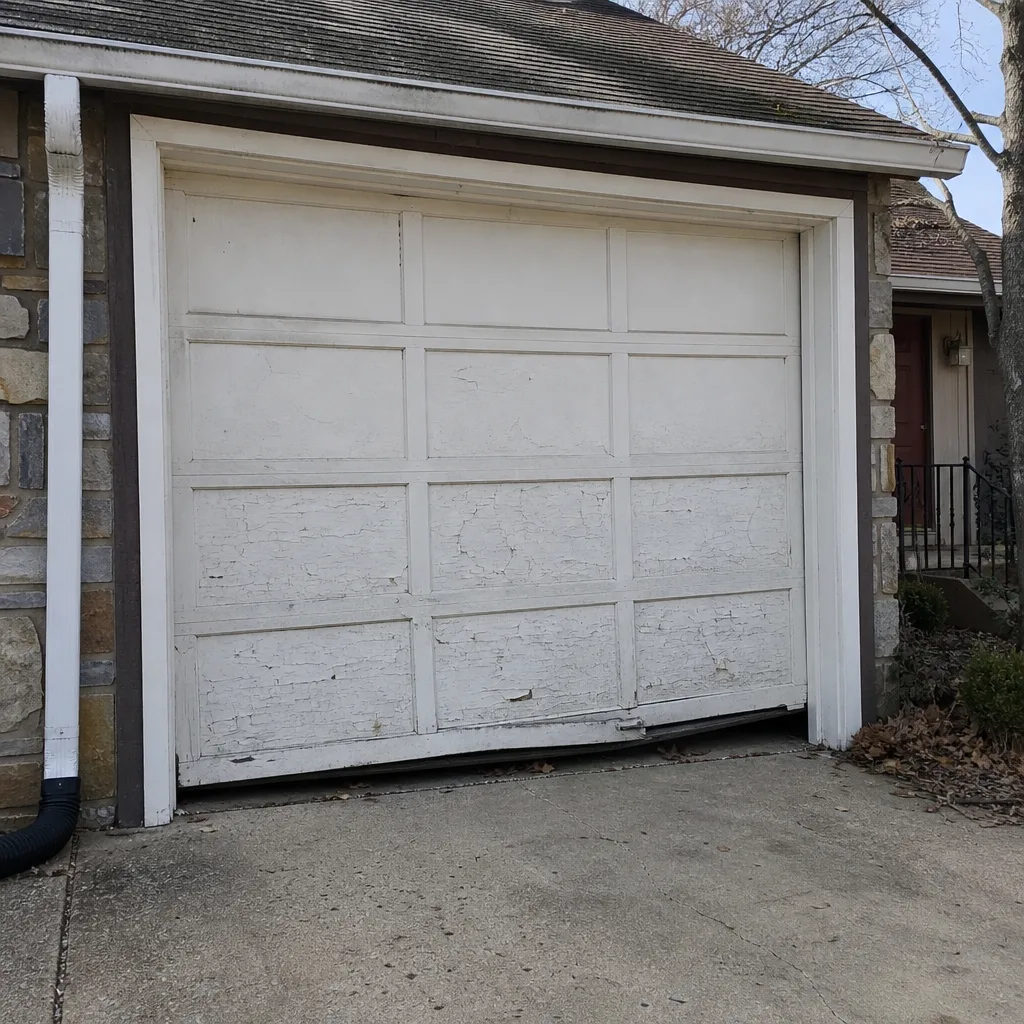 Before
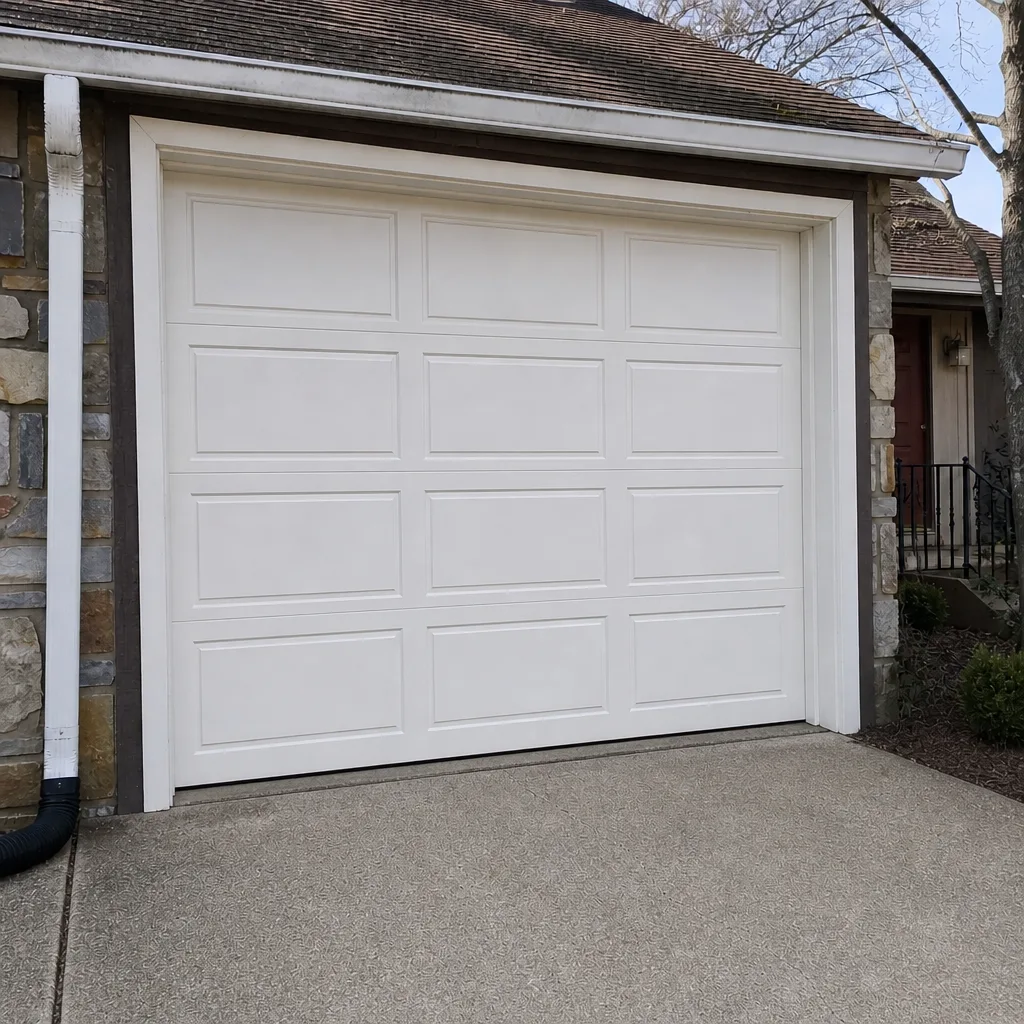 After
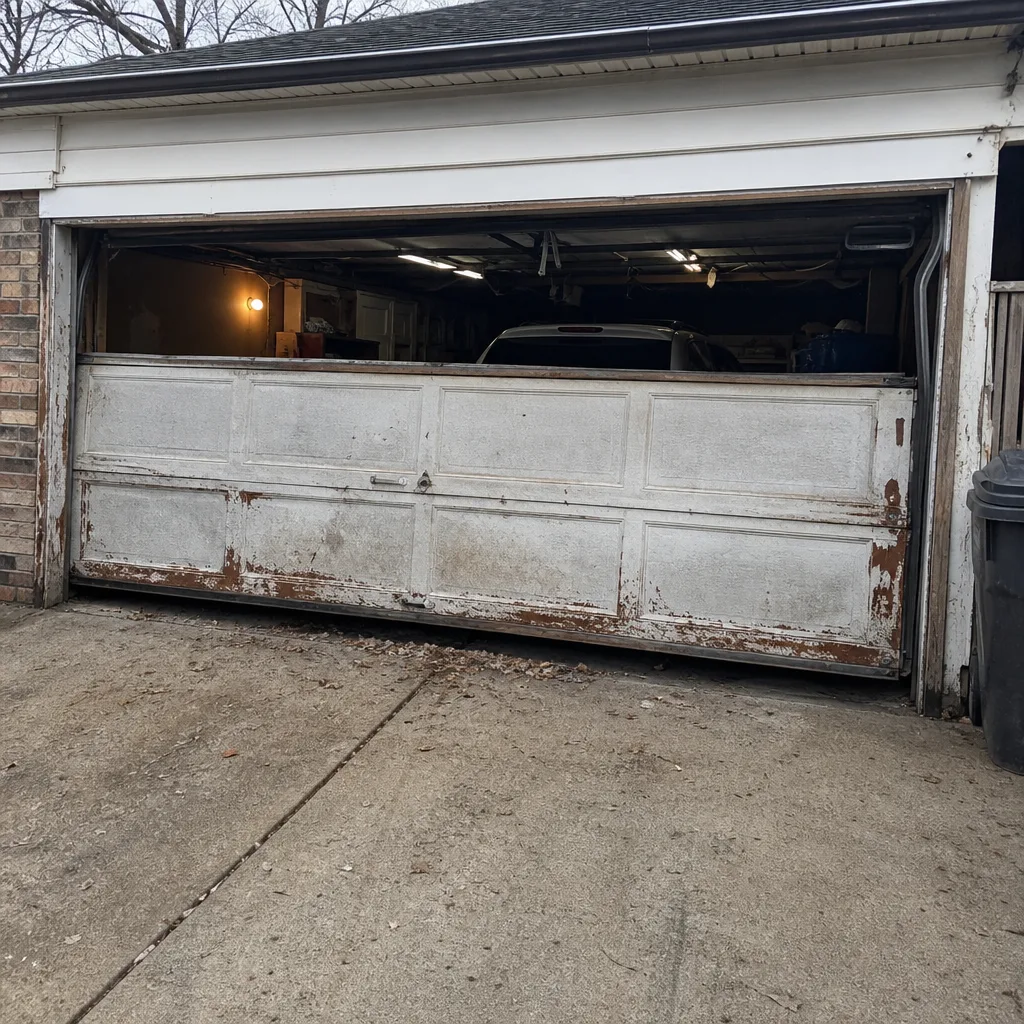 Before
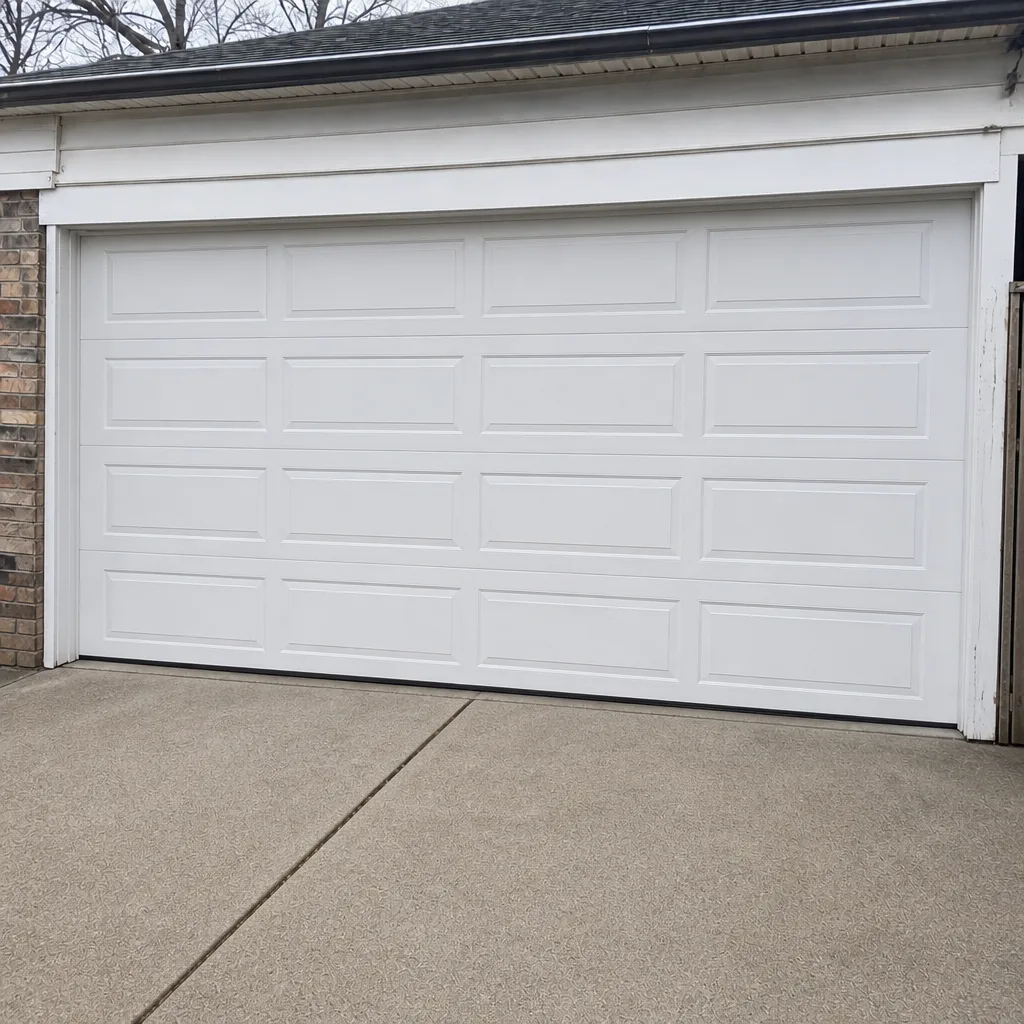 After
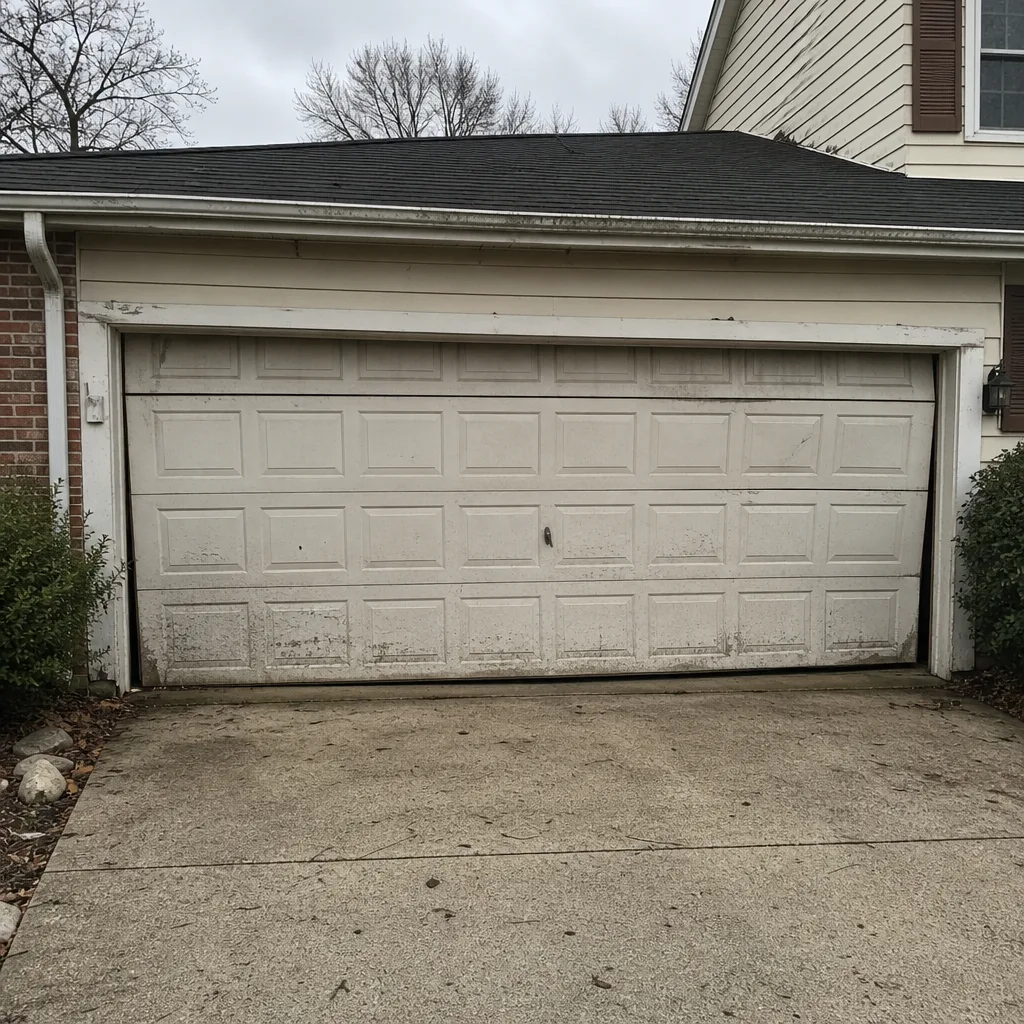 Before
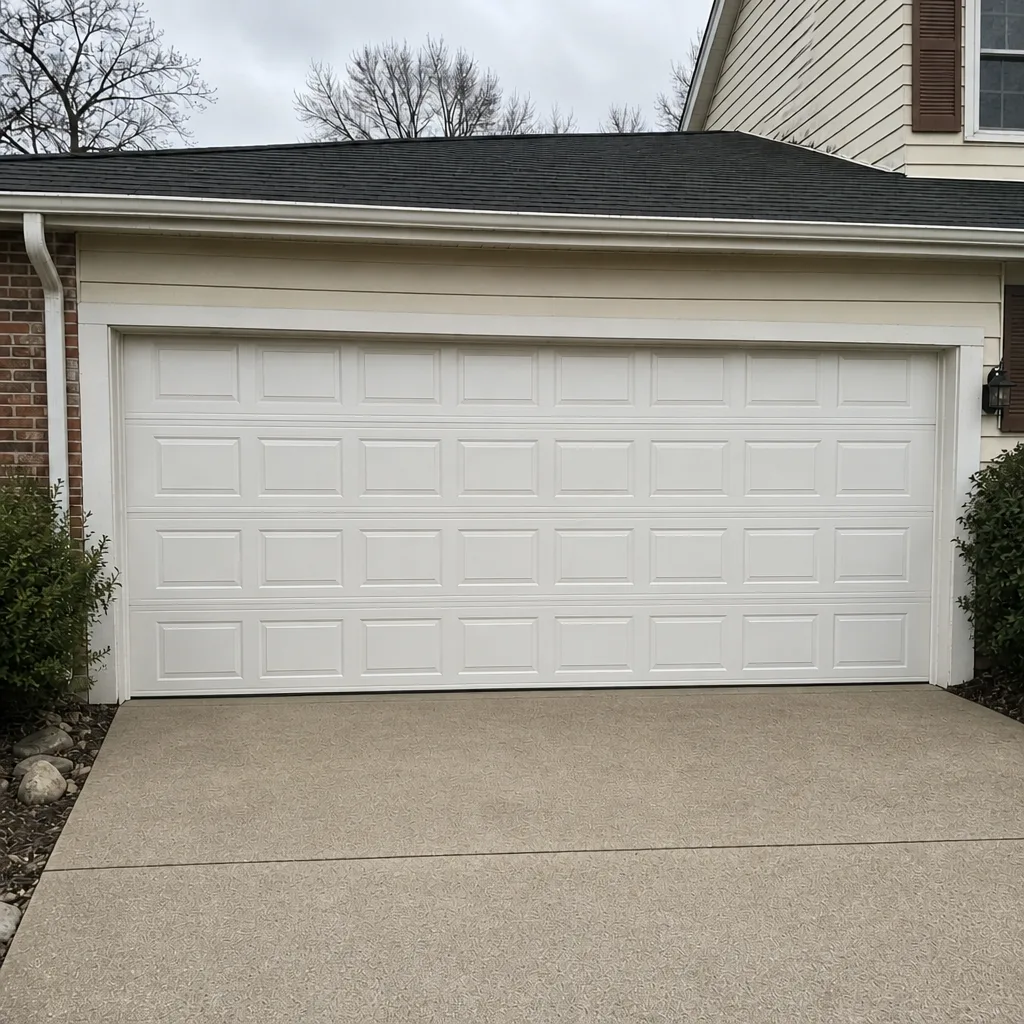 After
When to Call a Professional
Call a professional the moment your task list touches a spring, a cable, a bottom bracket, or a door that’s off its track. That covers the vast majority of real garage door failures. The rest of the list is maintenance, and you’re welcome to it.
Our other professional triggers, in no particular order: any noise that lubrication didn’t fix, any door that reverses without an obstruction, any door with a visible gap in a spring, any opener that shows a diagnostic code you can’t resolve, and any repair where a homeowner isn’t sure which tier the task falls into. We serve Frederick and the surrounding areas, and we work on equipment from the major manufacturers you’re likely to have. If you’d like a specialty company that does nothing else, our Frederick Garage Door Repair Pros page covers the full scope. Frederick homeowners get free estimates, and you can call us at (855) 658-4191.
Frequently Asked Questions
No, and it isn’t a skill question. Torsion and extension springs store enough energy that a failure releases it all at once, and a homeowner has no time to react. Professional technicians use specific winding tools and follow balancing procedures that a homeowner can’t safely replicate. Leave the springs to a trained technician; the rest of the safe DIY list is yours.
Yes, lubrication is one of the safest DIY garage door tasks. Use a lubricant specifically rated for garage doors, apply it to rollers, hinges and the bearing plates at the ends of the torsion tube, and avoid the springs themselves. Do it twice a year and you’ll get noticeably longer life from your rollers. In Frederick’s cold winters, use a product rated for low temperatures so it doesn’t thicken.
Pull the opener’s release cord so the door runs by hand. A door that’s very heavy to lift, or that slams shut on its own, has a spring or balance problem. A door that lifts smoothly by hand but won’t respond to the opener has an opener problem. That one test tells you which technician specialty the call needs. If you’re not sure, call (855) 658-4191 and describe what you’re seeing; we can help you narrow it down.
It depends entirely on the task. Lubrication, weatherstrip, photo-eye alignment, remote pairing and track cleaning are worth doing yourself and genuinely save money. Spring work, cable work, and any repair where you’re not sure what the failure is, are almost always cheaper when a specialist does them the first time. A botched DIY spring job can double the eventual repair bill once a door has been damaged.
It depends on the job. A handyman can handle the safe DIY-tier tasks, and some can handle roller replacement and limit adjustment. Anything involving tensioned hardware is a different matter. Garage door repair is a specialty with its own tools, parts and failure patterns; a technician who works on doors every day will diagnose faster and quote more accurately than a generalist who sees one a month.
Note the door type and the spring type, check whether the photo-eyes are clean and aligned, look for any obvious cable fraying, and write down the opener’s brand and any LED codes it’s showing. That information shortens the diagnostic step and helps the technician bring the right parts. Then call (855) 658-4191. We answer 24/7, and dispatch runs 7am to 7pm, Sunday through Friday.
The Bottom Line
The DIY vs professional decision comes down to one thing: does the task involve released or stored tension? If it doesn’t, you can probably handle it, and the cost of a can of lubricant beats a service call. If it does, or if you aren’t sure, the answer is professional. Frederick’s seasonal swings amplify door hardware problems, so a maintenance habit of lubrication and weatherstrip care goes a long way toward avoiding the big calls. The rest is knowing which jobs belong on your list and which belong on ours. That’s the whole framework, and it’ll serve every garage door you own.
Call (855) 658-4191 for a free estimate. We answer 24/7. Fast dispatch from 7am to 7pm, Sunday through Friday. Whether you’ve decided to hand off the diagnosis or you want a professional eye on a door that isn’t behaving, one call covers it.
Related reading
If you’d like to go deeper on any of the services in this guide, our garage door repair, garage door opener repair, and garage door spring repair pages each cover the specific symptoms and solutions for that part of the system.
Written by the team at Frederick Garage Door Repair Pros.