
Last updated November 23, 2026
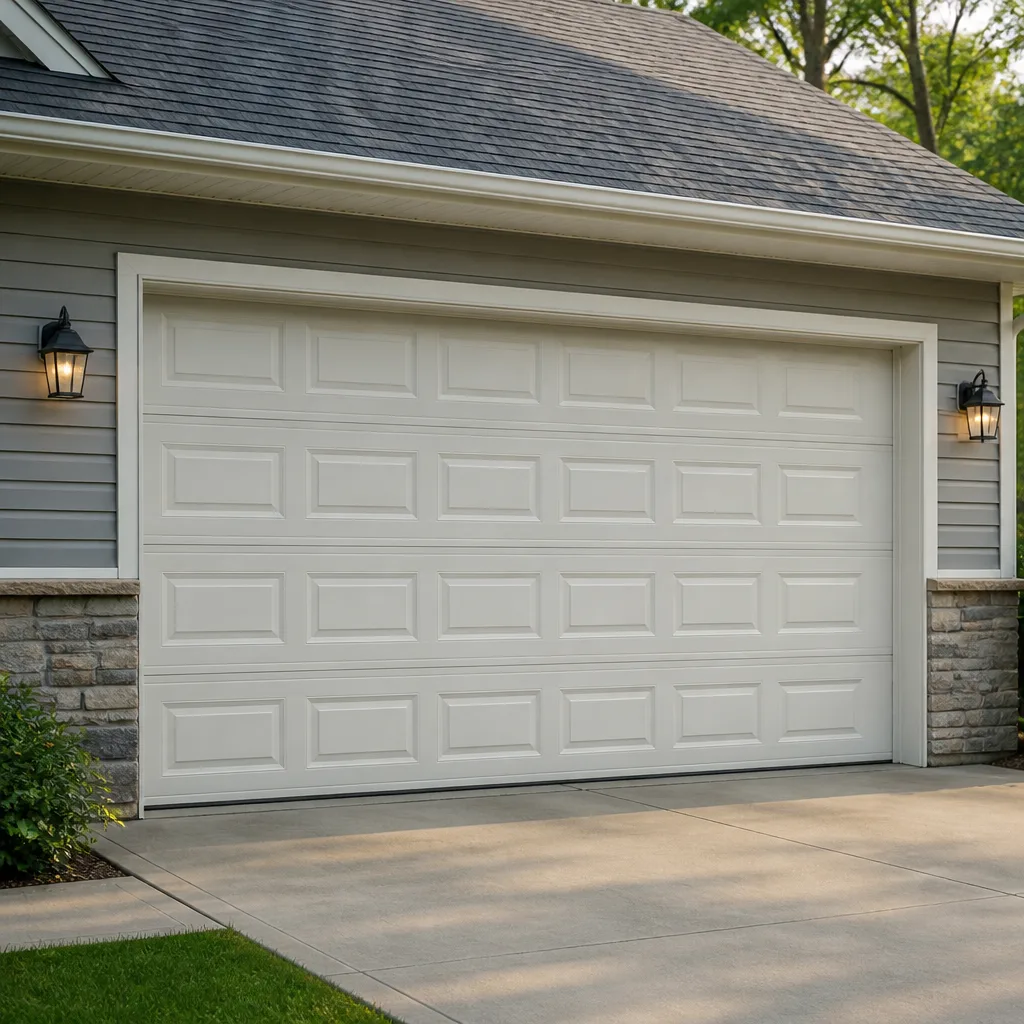 Raised-panel steel
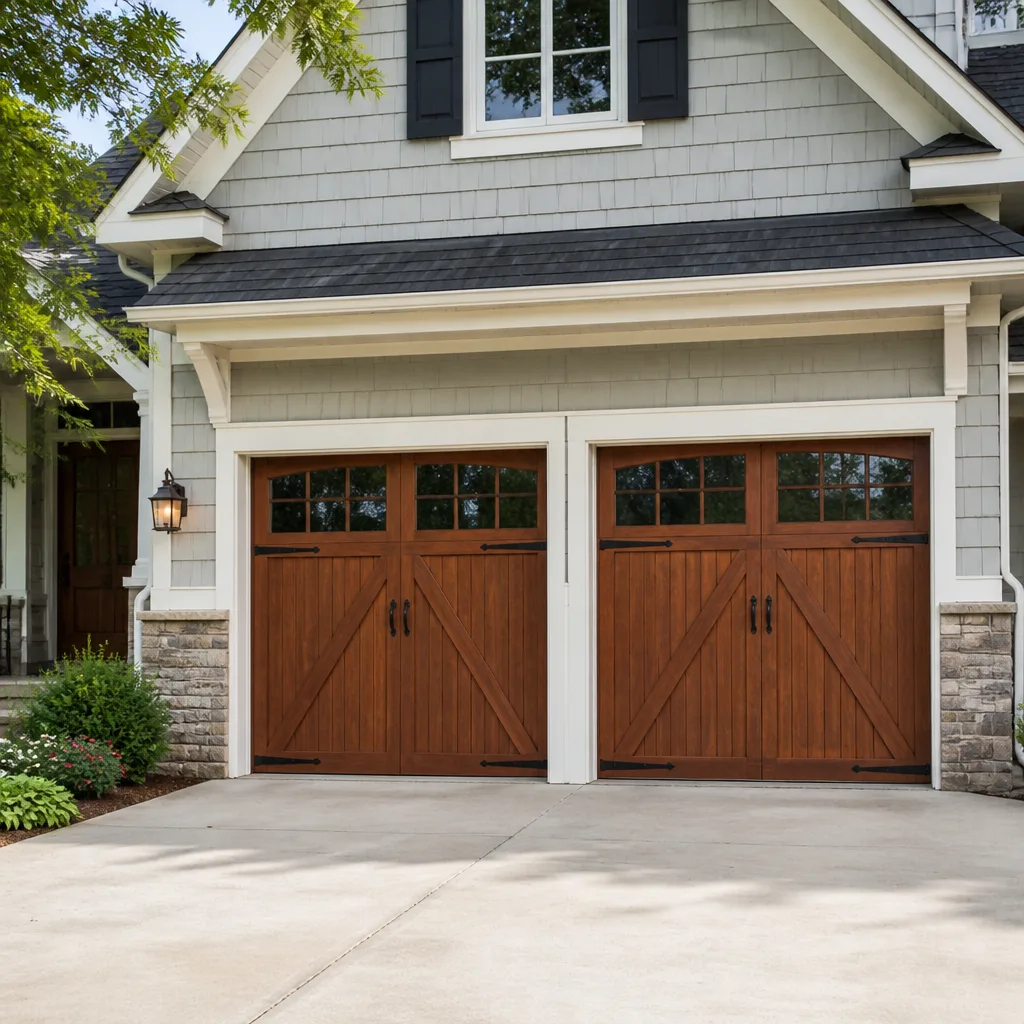 Carriage house
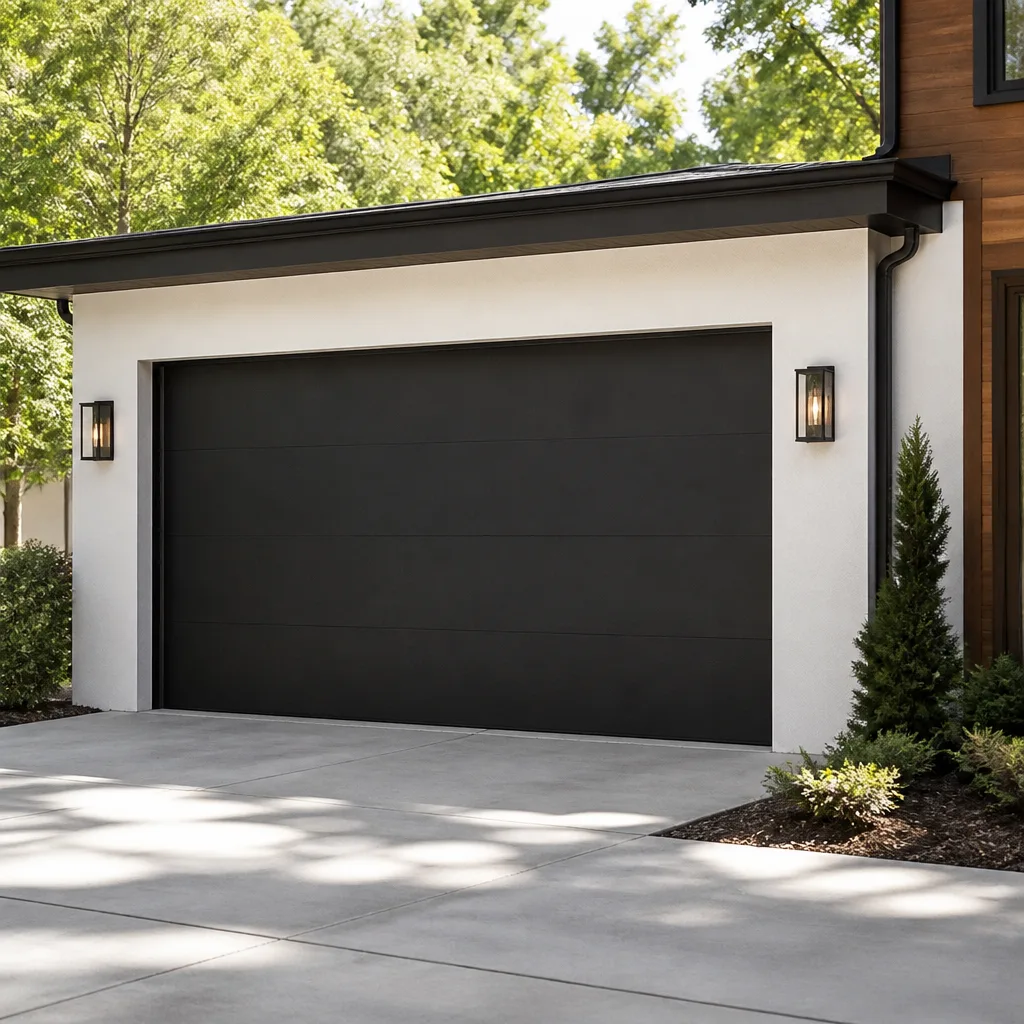 Modern flush
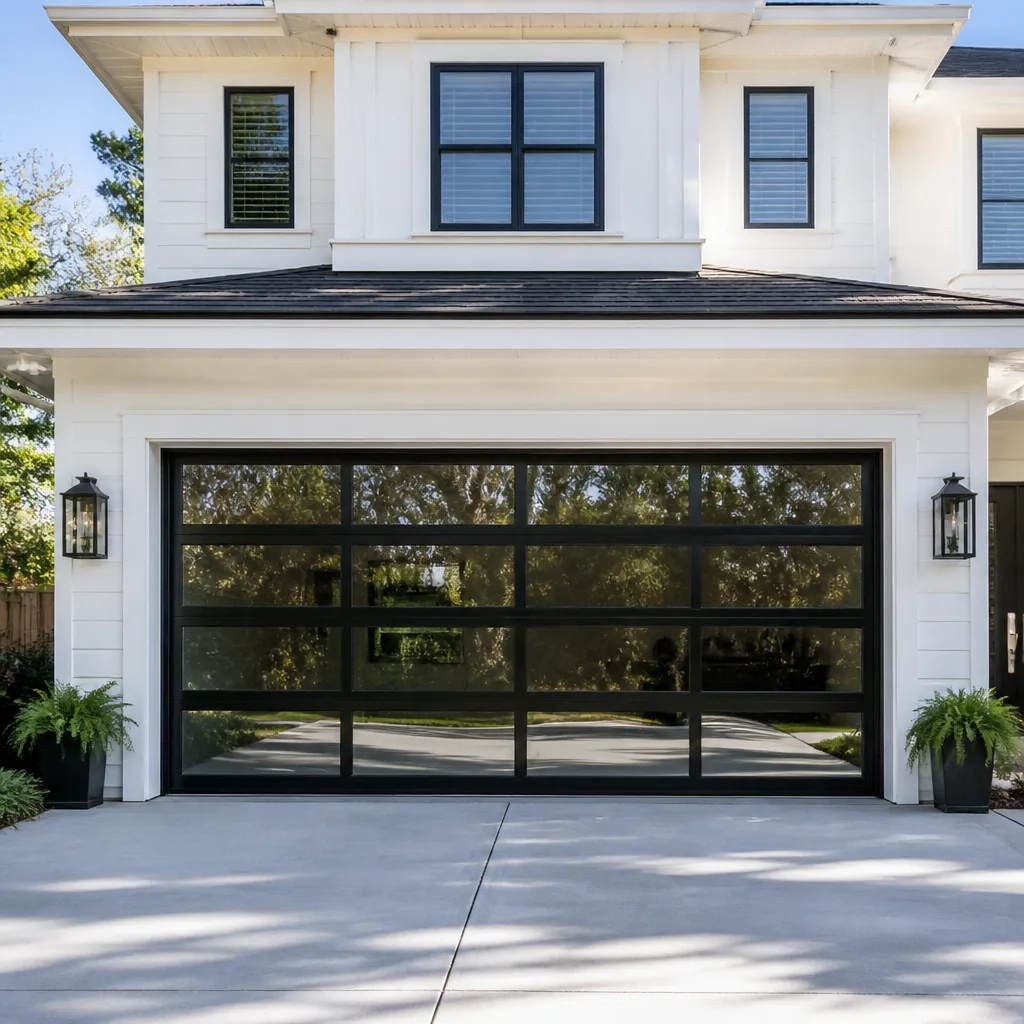 Full-view glass
 LiftMaster openers
 Chamberlain openers
Full 25-point door and opener safety check with every visit - springs, cables, rollers, tracks, and your LiftMaster or Chamberlain opener included
You get a price before we start. It does not change when the pro arrives.
Get your free estimateGarage Door Permits, Codes & Inspections in Frederick, MD: What You Need to Know
Here’s a pattern we run into constantly: a Frederick homeowner gets a new garage door, the work looks great, and nobody ever mentions a permit. Two years later, the house goes on the market and the inspection report flags the installation as unpermitted work. What should have been a routine closing turns into weeks of scrambling to find paperwork the original installer never filed. The permit question almost never gets asked at the moment it matters most, which is before the work starts. This guide walks through when Frederick City and Frederick County require permits, what the code actually covers, how inspections work in practice, and why the small step of pulling a permit protects you long after your new door is up and running.
Quick Answer
In Frederick, MD, a permit is generally required when a garage door replacement changes the structural opening, involves new framing, or occurs as part of new construction or an addition. A like-for-like replacement of an existing door using the same size, same track configuration, and same opening may not require a permit, but you should always confirm with the City of Frederick’s building department or Frederick County’s permitting office before you buy. Inspections check structural attachment, safety hardware, and code compliance; skipping the permit can complicate insurance claims and real estate transactions later.
Styles & brands we work with
- Raised-panel steel
- Carriage house
- Modern flush
- Full-view glass
- LiftMaster openers
- Chamberlain openers
Table of Contents
- When Is a Garage Door Permit Required in Frederick?
- Frederick City vs. Frederick County: The Permit Rules Differ
- What the Code Requires for R-Value and Wind Load
- How Unpermitted Work Affects Insurance Claims and Home Sales
- What Happens During a Garage Door Inspection
- HOA Approval vs. Municipal Permit: The Right Order
- Common Mistakes to Avoid
- When to Call a Professional
When Is a Garage Door Permit Required in Frederick?
A garage door permit in Frederick, MD is usually required when the work goes beyond swapping out a door for an identical one. Pure replacement, where the size, location, and framing of the opening stay the same, is often handled without a permit. Structural changes almost always need one. The dividing line is whether you’re just replacing a component or modifying the building.
Most homeowners never ask this question because the installer doesn’t bring it up. That’s the gap this guide is meant to close. The safest rule: call your permitting office before you sign a contract for any garage door replacement in Frederick or the surrounding county, describe the exact work, and ask plainly whether a permit is required.
The work that most reliably triggers a permit requirement includes:
- Enlarging or resizing the opening. Going from a single-car door to a double-car door, or reshaping the header, changes the structure and needs a permit.
- Removing or modifying a load-bearing wall. If the garage door install affects a structural wall or header beam, expect a structural review.
- New construction and additions. A garage door on new construction is always part of the permitted scope of the whole project.
- Converting a garage into living space. When a garage becomes a room, the door opening typically has to be closed in, and that change goes through permitting.
- Adding a garage where one didn’t exist. Entirely new structures, detached or attached, need their own permits.
If you’re only replacing a broken spring, an opener, or a door panel and the opening itself stays exactly as it was, the question usually doesn’t come up. Spring replacement, for example, is a repair rather than a structural change, and our garage door spring repair service handles it as a straight repair job. The permit question is really about the door frame and the structure around it, not the parts hanging inside it.
Frederick City vs. Frederick County: The Permit Rules Differ
This is the part that catches people, and it’s the single biggest reason to check before you schedule work. Inside the City of Frederick limits, the city’s own building department issues the permit. Outside the city limits but still in Frederick County, the county’s permitting office handles it. The two jurisdictions have different thresholds for what counts as a permit-required change, and what’s exempt in one place isn’t always exempt in the other.
Frederick is a sprawl of neighborhoods and unincorporated areas, so where exactly your house sits changes which permit rules apply. If you’re in a downtown or older-block home, the city is the authority. If you’re further out toward the county’s rural edges, it’s likely the county. The address determines the jurisdiction, not the address style.
Common Frederick-area situations and what usually applies:
- Historic and downtown Frederick homes. Older homes often have non-standard opening sizes, and any change to the opening tends to draw more scrutiny, including from historic-preservation rules that sit on top of the building code.
- Suburban subdivision homes. Strict HOA rules plus municipal permits are common. Even a like-for-like replacement may need HOA approval, and the HOA needs to see door specs before the installation crew arrives.
- Rural and unincorporated county properties. Permits are usually needed for structural changes, and homeowners should confirm with the county permitting office directly.
The simplest advice: give the permitting office for your exact address a call, describe the work, and get the answer in writing if you can. It takes ten minutes and it’s the difference between a clean project and a future headache. When we quote work here at Frederick Garage Door Repair Pros, we tell homeowners to confirm the permit question with the city or county before work starts, because we don’t want it surfacing at settlement.
What the Code Requires for R-Value and Wind Load
Garage doors live in two code worlds. One is energy code, which governs insulation and R-value. The other is wind load, which governs how the door handles wind pressure. Which matters more depends on whether you’re doing new construction or replacement, and both get checked differently by different jurisdictions.
In new construction, garage door R-value typically matters because the garage wall often forms part of the building envelope. An insulated door helps meet energy code requirements, and inspectors look for documentation that shows the door’s rated R-value. A Frederick-area builder pulling a permit for a new home has to demonstrate compliance with the energy code for the whole structure, and the garage door is part of that. In a replacement, the R-value requirement usually isn’t triggered unless the replacement is part of a broader remodel that pulls the whole envelope into scope.
Wind load is the other half. Garage doors on a wall facing open exposure can be required to meet specific wind-load ratings to resist pressure from wind, especially on structures in exposed locations. Frederick County includes plenty of rural and hilltop exposure where that check matters, and a door that was never rated for wind load can fail inspection. In practice, the door’s manufacturer publishes wind-load ratings on specific models, and an inspector may ask for that documentation.
What the codes usually require for a compliant garage door install:
- Labeled or documented R-value when the door is part of the building envelope in new construction.
- Wind-load rating documentation for models required to resist established wind pressure.
- Proper attachment hardware rated for the door’s weight and size.
- Safety features such as automatic reversal and photoelectric safety sensors on any door operated by an opener.
- Reinforced mounting where the door opening framing has been modified.
Brand documentation helps here. Manufacturers like Clopay and Amarr publish the spec sheets and wind-load ratings inspectors want to see, and a professional who knows the brands can hand over the right paperwork at handoff. If you’re weighing a door that has documented ratings against one that doesn’t, that’s a genuine decision with code consequences – not just a style choice.
How Unpermitted Work Affects Insurance Claims and Home Sales
Unpermitted garage door work is usually invisible until the day you need your homeowner’s insurance. That’s when it becomes a real problem. If a door fails, moves, or causes damage in a claim, and the insurer discovers the work was unpermitted or improperly installed, the claim can be delayed, denied, or reduced. The insurer’s view is simple: work done outside the permit system was never verified, so they can’t be sure the failure wasn’t caused by improper installation.
Real estate transactions are the other classic trap. Maryland home inspectors routinely flag unpermitted work, and flagging doesn’t just mean a note on the report. A buyer can ask for permits, the seller can’t produce them, and suddenly the deal needs to renegotiate, delay, or in the worst case fall through. A long-ago garage door replacement becomes a current-day problem with a buyer’s attorney involved.
Here’s what usually happens in practice:
- Insurance claim. The insurer requests installation records. If there’s no permit on file, the claim moves to a review that can take weeks, and coverage outcomes become much less certain.
- Pre-sale inspection. The inspector notes unpermitted work. The buyer asks for the permit or a new inspection, and the seller has to prove the work was done correctly.
- Refinance or appraisal. The appraiser or lender flags the discrepancy, and the choice is to paper over the gap or remedy it retroactively, which is more expensive than doing it right the first time.
The permit is inexpensive. The retroactive fix is not. Pulling a permit upfront means the work is documented, inspected, and defensible for the whole life of the house. If it turns out your garage door work didn’t get a permit, the best move is usually to contact the city or county and ask what it takes to bring the work into compliance now.
What Happens During a Garage Door Inspection
Garage door inspections are focused and fast. An inspector isn’t climbing on the roof or testing your HVAC. They’re looking at a narrow set of requirements: the door’s attachment to the structure, the safety mechanisms, and whether the specs on paper match what’s installed.
What the inspector typically checks, in order:
- Attachment and anchoring. The door’s mounting brackets and track are secured to solid framing. If the brackets were screwed into drywall, sheathing, or a hollow space, that’s a fail.
- Spring hardware and safety containment. Springs, particularly torsion springs, are under extreme tension, and correct hardware matters. This is one of the most common places inspection findings originate, and it’s also why spring handling is a professional job – a breaking spring can cause serious injury.
- Automatic reversal and safety sensors. The door must reverse on obstruction and the photoelectric eye system must work. This is almost always tested directly.
- Wind-load and R-value documentation. Where required, the inspector asks for the door spec sheet. Missing documentation slows or fails the inspection.
- Balance and travel. The door should lift and lower smoothly and stay put when half-raised, without a fight.
What usually fails on a Frederick-area job is not the door itself but the paperwork and the anchoring. Documentation gaps are the top finding, followed by brackets that were fastened with the wrong hardware. A professional opener repair or garage door repair job that involves new hardware usually gets inspected without drama when the installer knows the code. If a spring snaps unexpectedly, our garage door repair team treats the spring and safety hardware as a matched set so post-repair inspection doesn’t trip on hidden hardware issues.
Our technicians have up to 11 years of experience, and we’ve watched inspection findings turn on the smallest details. We tell homeowners to ask the inspector what documentation they’ll want before the inspection is scheduled, not after. It’s the difference between one visit and two.
HOA Approval vs. Municipal Permit: The Right Order
An HOA approval is not a permit, and a permit is not an HOA approval. Frederick homeowners often mistake one for the other, and doing them in the wrong order causes the most avoidable kind of delay. The short answer: get HOA approval first, then pull the municipal permit, then schedule the installation.
Why that order? Your HOA has authority over appearance, color, style, and sometimes the material and manufacturer of the door. If the HOA denies your requested door and you’ve already paid a permit fee, you’ve burned time and a fee on a door you can’t install. The permit depends on the specific door specs, which is why HOA approval should come before the permit application.
The correct sequence for most Frederick projects:
- Read the HOA’s architectural guidelines. Many HOAs publish acceptable door colors, styles, and materials, and require an architectural-review form.
- Get the door spec sheet. A professional installation quote should include the manufacturer’s spec sheet, color, style, and dimensions.
- Submit the HOA application. Attach the spec sheet and wait for written approval. Verbal approval doesn’t count.
- Call your city or county permitting office. Describe the work and confirm whether a permit is required for your address.
- Apply for the permit if required. Do this only after HOA approval is in hand.
- Schedule the installation. Give the installer the HOA approval and permit information so the paperwork is complete.
When an HOA rules against your first-choice door, having a professional who knows the brands helps. Manufacturers like Wayne Dalton and Craftsman offer a range of styles and colors that often meet HOA appearance rules, and we can usually find a compliant door that still looks right on a Frederick home.
Common Mistakes to Avoid
- Assuming a garage door replacement never needs a permit. Sometimes it doesn’t and sometimes it does, depending on the address and the work. Confirm with your Frederick city or county permitting office before scheduling.
- Getting the permit but not the HOA approval. The HOA can force you to undo work that violates appearance rules. Get written HOA approval first, then the permit.
- Skipping documentation for the inspector. The R-value and wind-load spec sheets are the most common reason an inspection fails. Ask the installer to hand them over before the door goes up.
- Using an installer who won’t touch the permit. If your installer tells you “you don’t need a permit” without checking, that’s a red flag. A good pro asks the permitting office and helps you get the paperwork right.
- Letting a structural change happen without a permit. Enlarging the opening or removing framing without a permit is the most common source of future closing problems in Frederick. Don’t let it happen.
- Handling springs as a DIY job. Garage door springs are under extreme tension and can cause serious injury if they release unexpectedly. Leave them to a trained professional.
- Forgetting to check the address’s jurisdiction. Frederick City and Frederick County have different rules. The wrong office means the wrong answer and a permit that won’t hold up.
When to Call a Professional
You should call a professional when the work involves more than a like-for-like replacement, when the garage door has failed and you need it back in service, or when a permit or inspection is already on the table and you need the work documented correctly. Because garage doors are the only thing we work on, our team handles residential repair, opener service, spring replacement, and new installations in Frederick with the brands documentation to match. Whether your door needs a quick repair or a full replacement, we scope the work, confirm what the permit requires, and get the paperwork right on the front end. Frederick Garage Door Repair Pros offers free estimates in Frederick – call (855) 658-4191. We answer 24/7. Fast dispatch from 7am to 7pm, Sunday through Friday.
See the difference
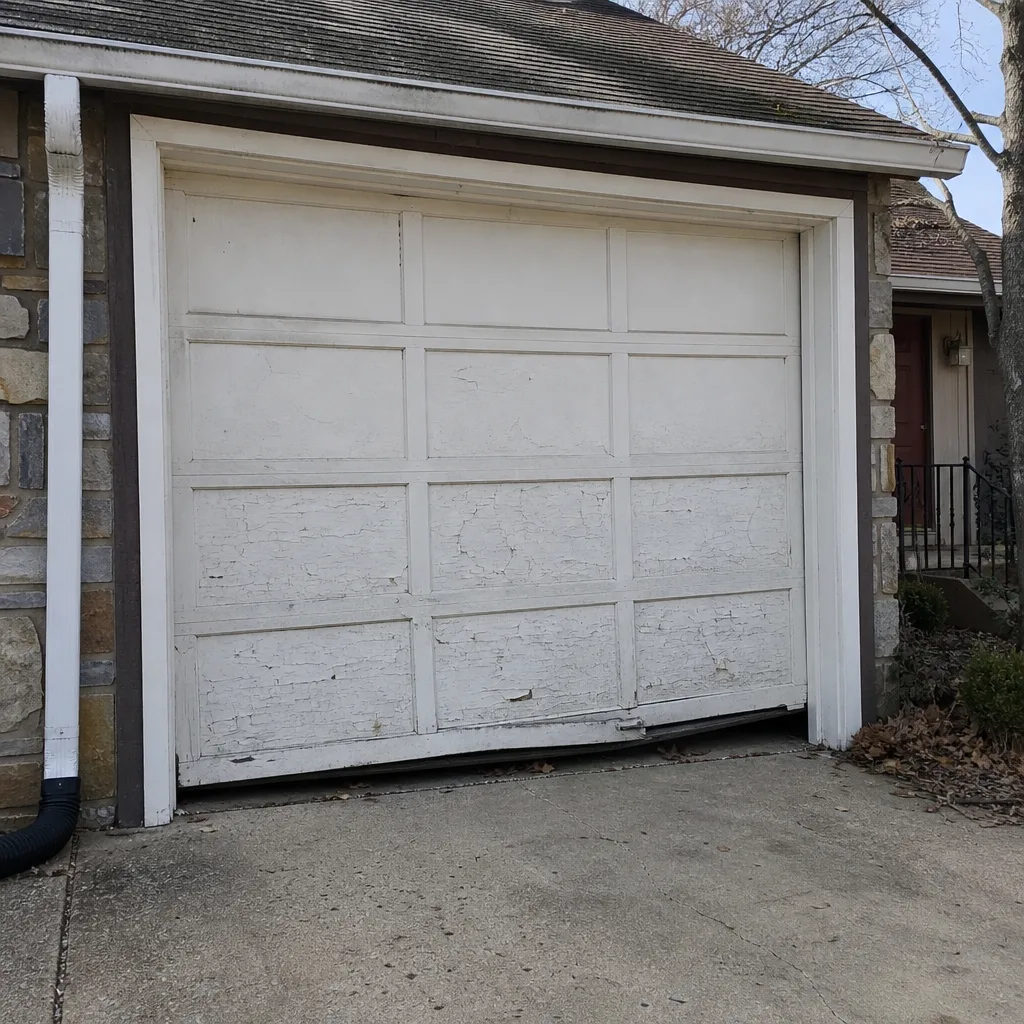 Before
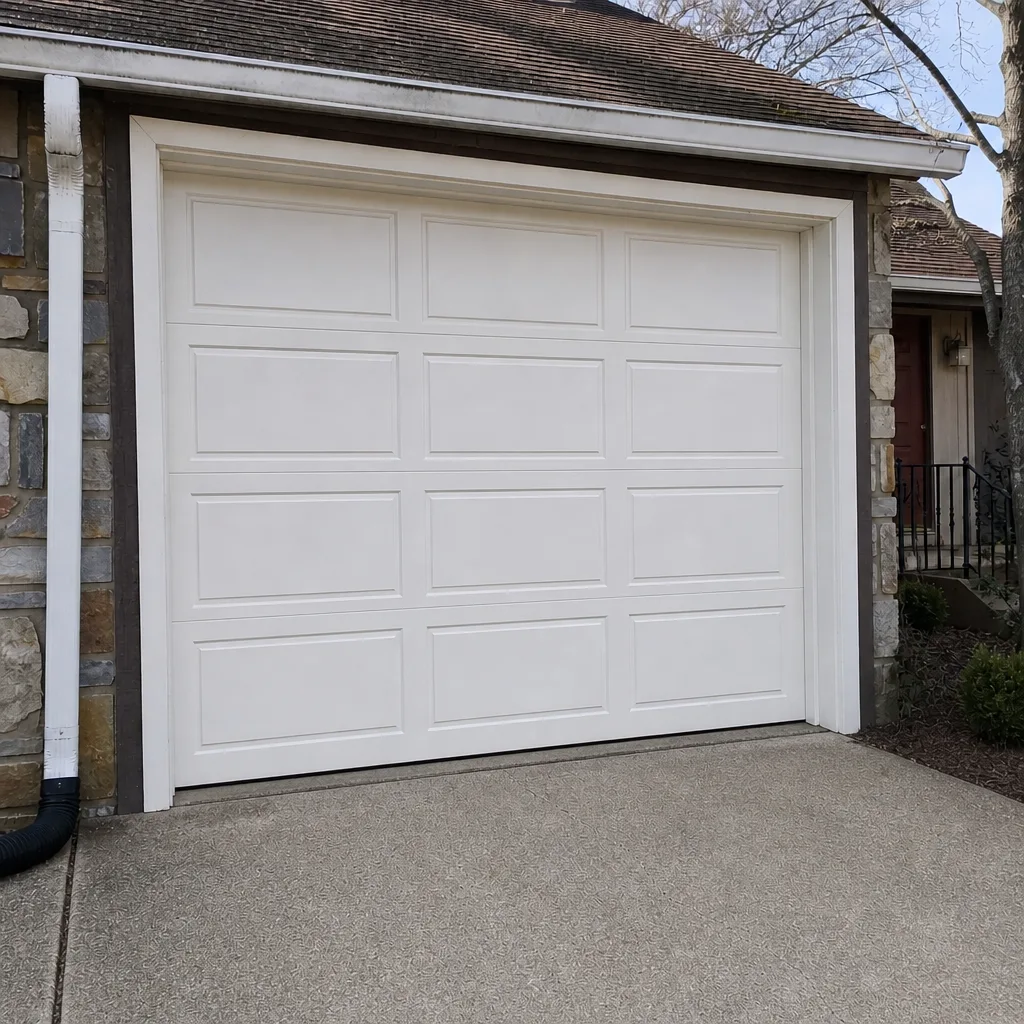 After
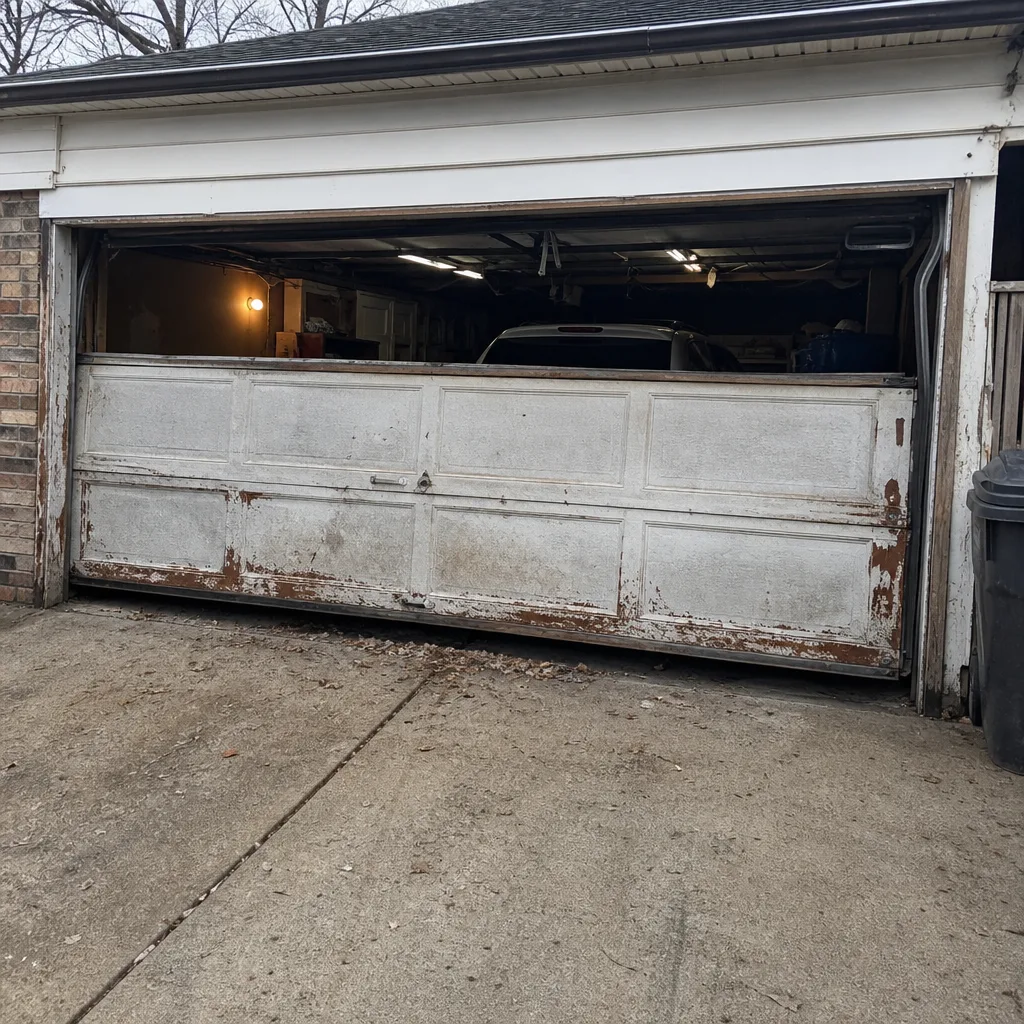 Before
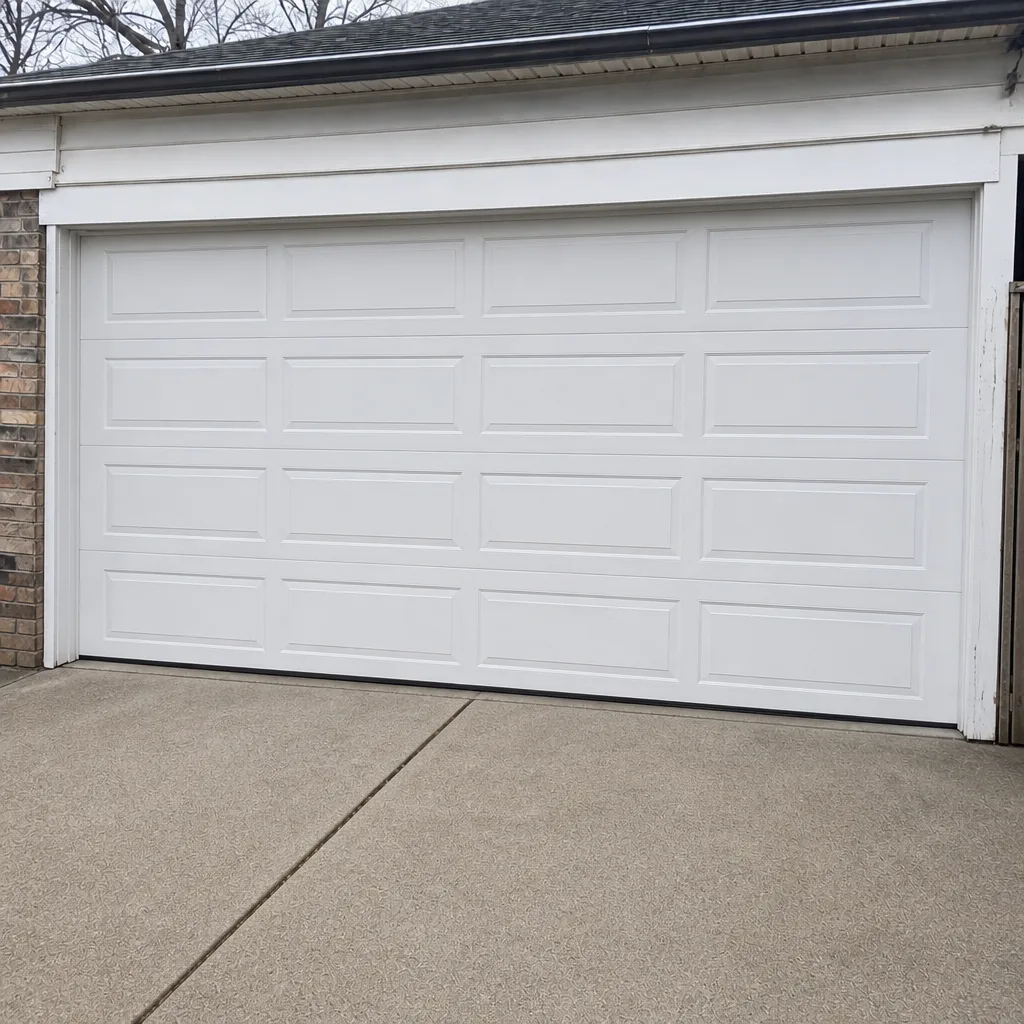 After
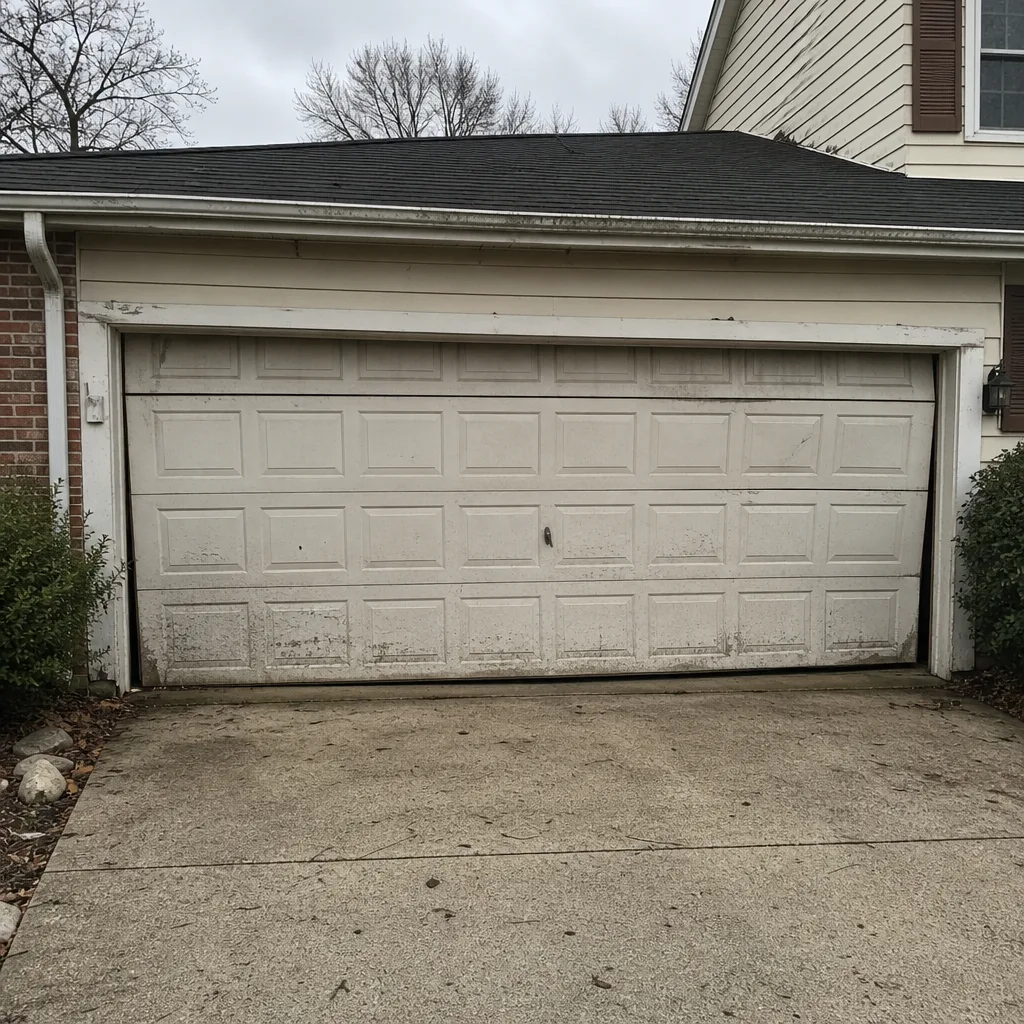 Before
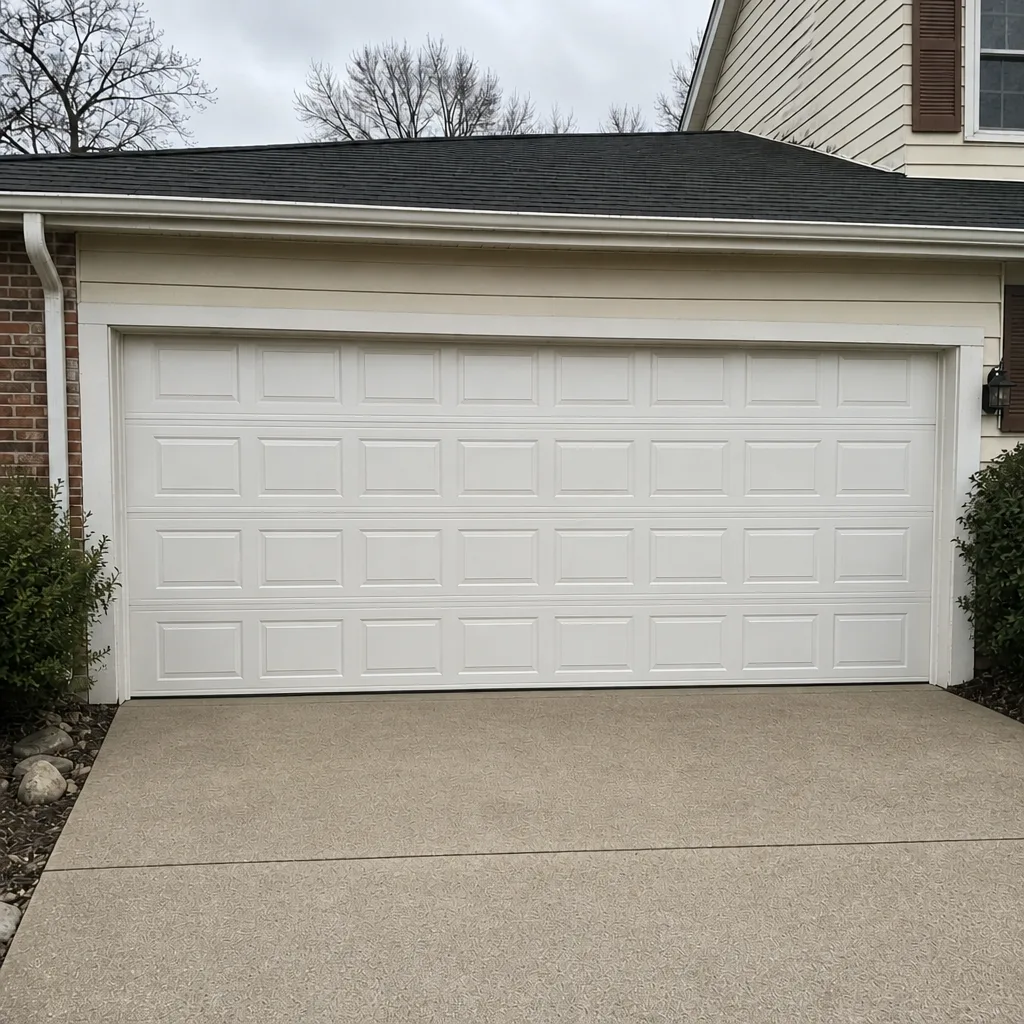 After
Frequently Asked Questions
Usually only if the replacement changes the structural opening, framing, or size of the door, or if it’s part of new construction or a larger remodel. A like-for-like replacement using the same opening may not require a permit, but you should always confirm with the City of Frederick building department or Frederick County permitting office for your exact address before work starts. Call (855) 658-4191 for a free estimate – estimates are free.
The jurisdiction that issues your permit depends on whether your property sits inside the City of Frederick limits or in unincorporated Frederick County. The city’s building department handles permits inside city limits, while the county’s permitting office handles work in unincorporated areas. Call the permitting office and give your address – they’ll tell you which authority applies and whether a permit is required. Call (855) 658-4191 if you’d like to talk through the scope before you call the city or county.
The main consequences come up during insurance claims and real estate sales. An insurer reviewing a claim may delay or deny coverage if the work was unpermitted, and a Maryland home inspector can flag the installation during a pre-sale inspection, which can complicate or delay the closing. The best fix is to contact the city or county and ask what it takes to bring the work into compliance retroactively, which usually means an inspection and possibly a new permit. Call (855) 658-4191 for an estimate if repairs are also needed.
An inspector checks the door’s attachment and anchoring, the spring hardware and safety features, the automatic reversal and safety sensors, wind-load and R-value documentation where required, and the door’s balance and travel. Documentation gaps and anchoring errors are the most common reasons an inspection fails. A professional installation gives you the specs and hardware an inspector wants to see. Call (855) 658-4191 for a free estimate.
Yes. HOA approval should come first, because your HOA controls appearance and can reject a door design, while the permit depends on the specific door specs you’re installing. The correct order is HOA approval, then permit application if required, then installation. Call (855) 658-4191 and we’ll help you assemble the door specs the HOA and city or county will need.
Springs are under extreme tension and the door’s hardware is part of what an inspector evaluates. Improper spring handling can also cause serious injury, which is why spring work is best left to a trained professional. Our team handles spring work as a core service rather than as an afterthought, and we make sure the hardware we install meets what an inspector expects. Our technicians have up to 11 years of experience. Call (855) 658-4191 for garage door spring questions or a free estimate. You can also see our spring repair service for more detail, or our opener repair page if your opener is the issue.
The Bottom Line
In Frederick, MD, the permit question rarely has a single answer. It depends on whether you’re doing a like-for-like replacement or structural work, and on whether your address sits inside the City of Frederick or in Frederick County. The safe approach is always the same: call the permitting office for your address, describe the work, get the answer in writing, and let the door installation wait until the paperwork is clear. Unpermitted work has a habit of surfacing at the worst possible moment – at claim time or at settlement. The permit is a small step that protects the whole value of the work, and a specialist who knows the brands and the code makes it painless. Frederick Garage Door Repair Pros is your local garage door specialist for repair, opener service, spring replacement, installation, and emergency response. Call (855) 658-4191 for a free estimate. We answer 24/7. Fast dispatch from 7am to 7pm, Sunday through Friday.
Written by the team at Frederick Garage Door Repair Pros.