
Last updated November 23, 2026
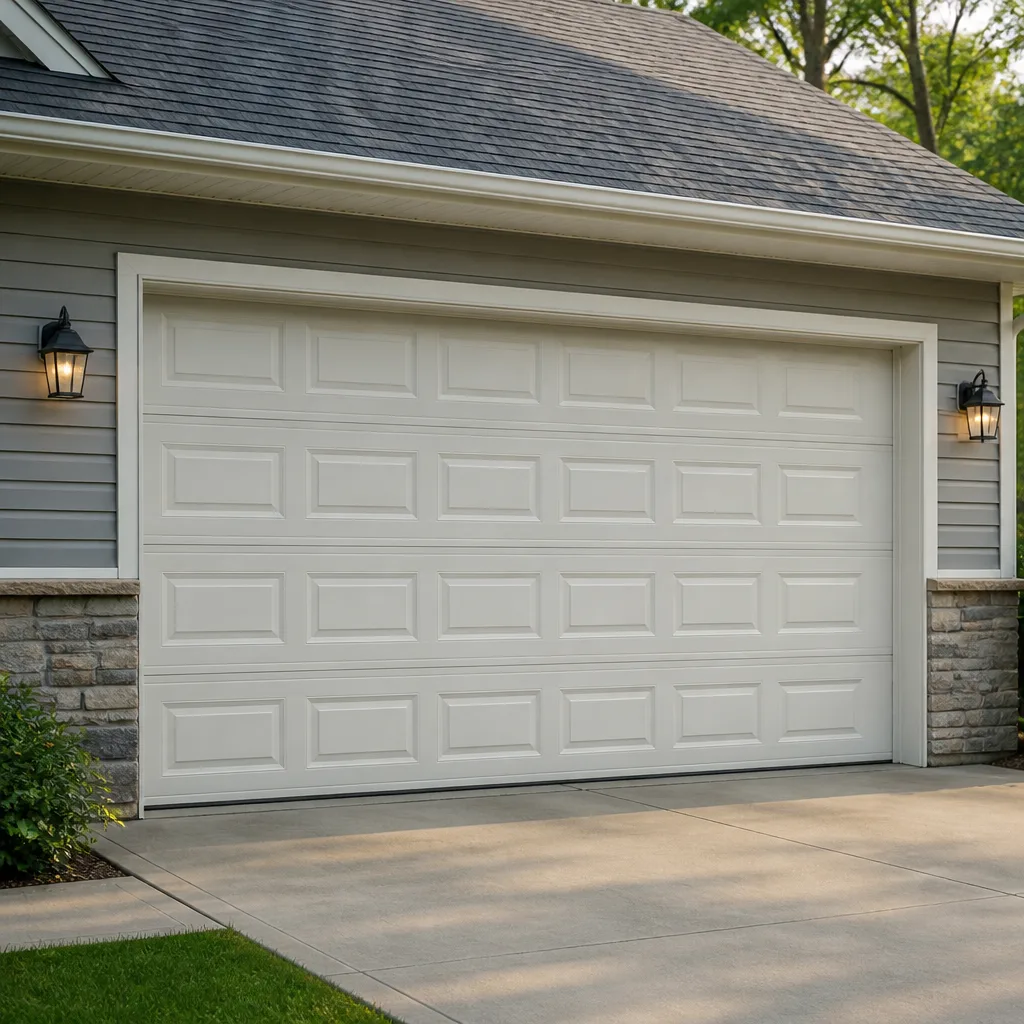 Raised-panel steel
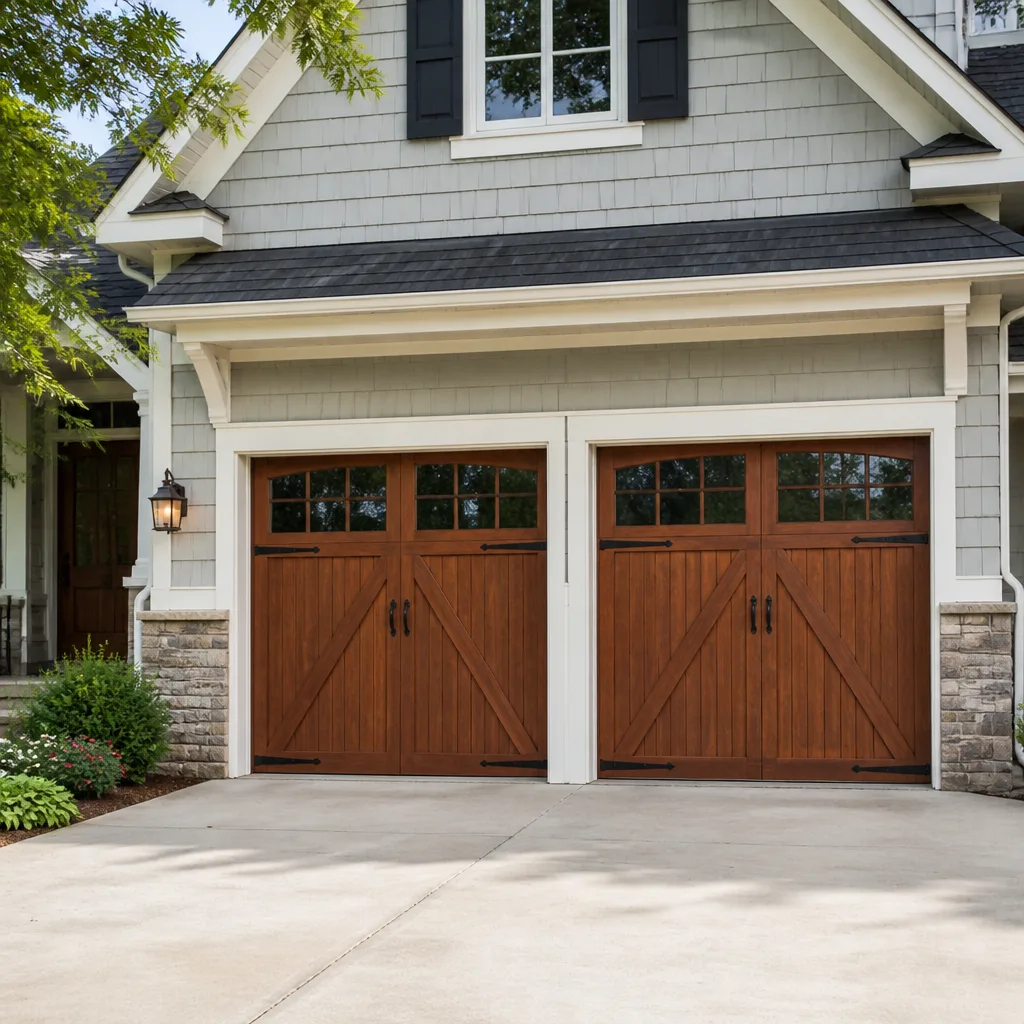 Carriage house
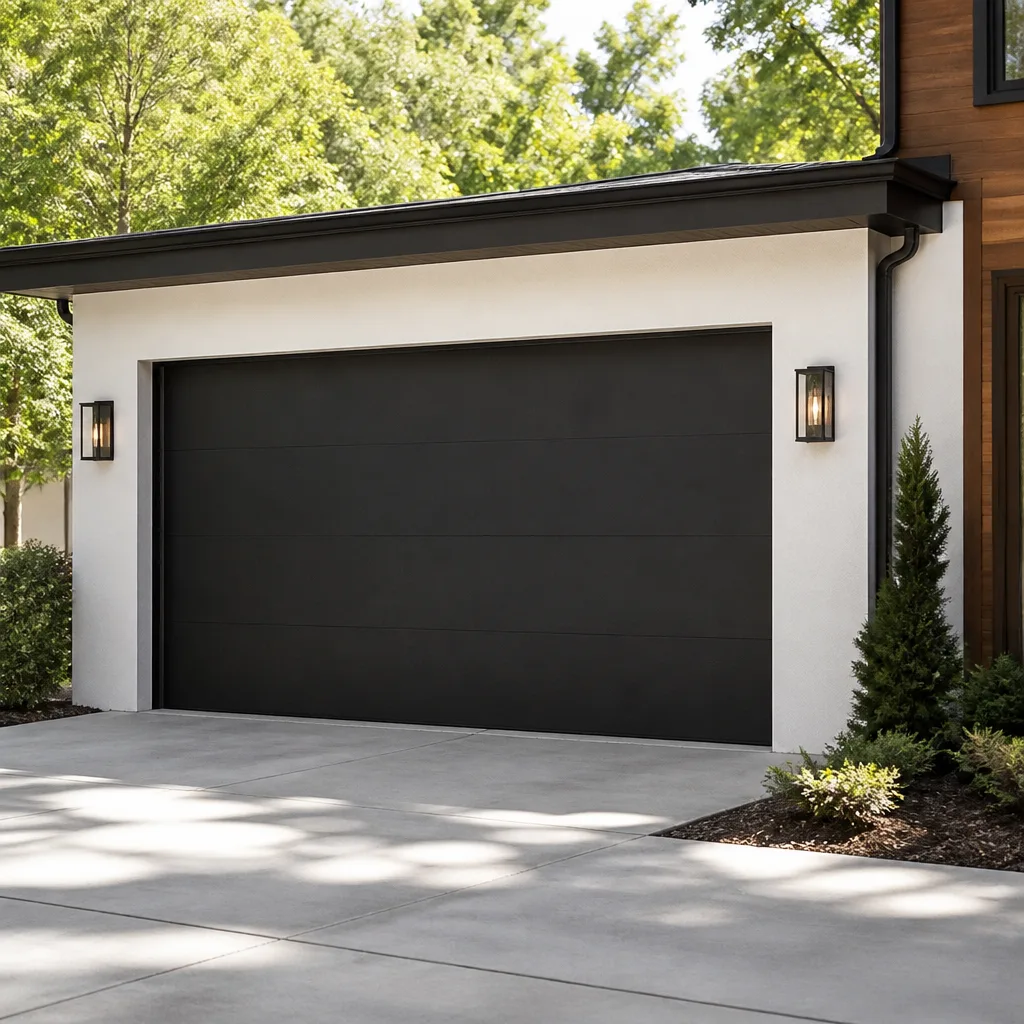 Modern flush
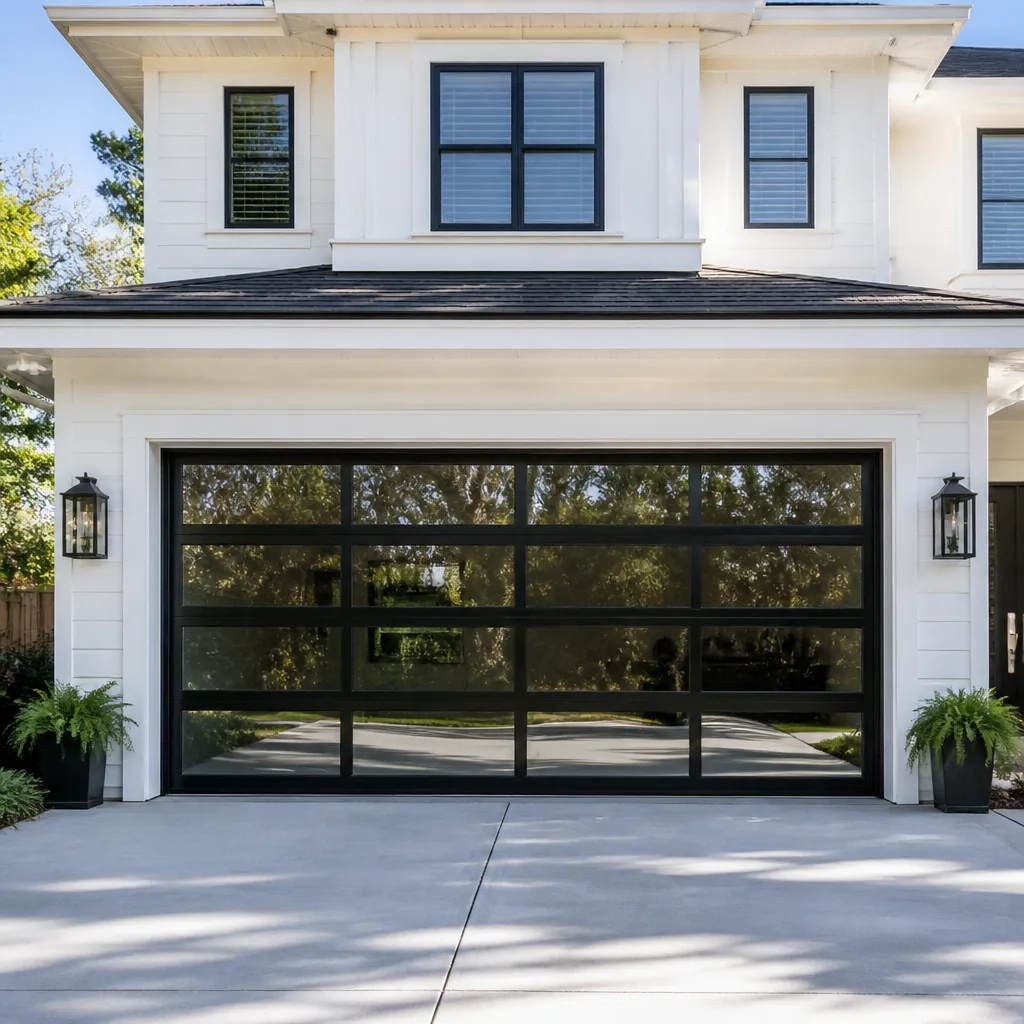 Full-view glass
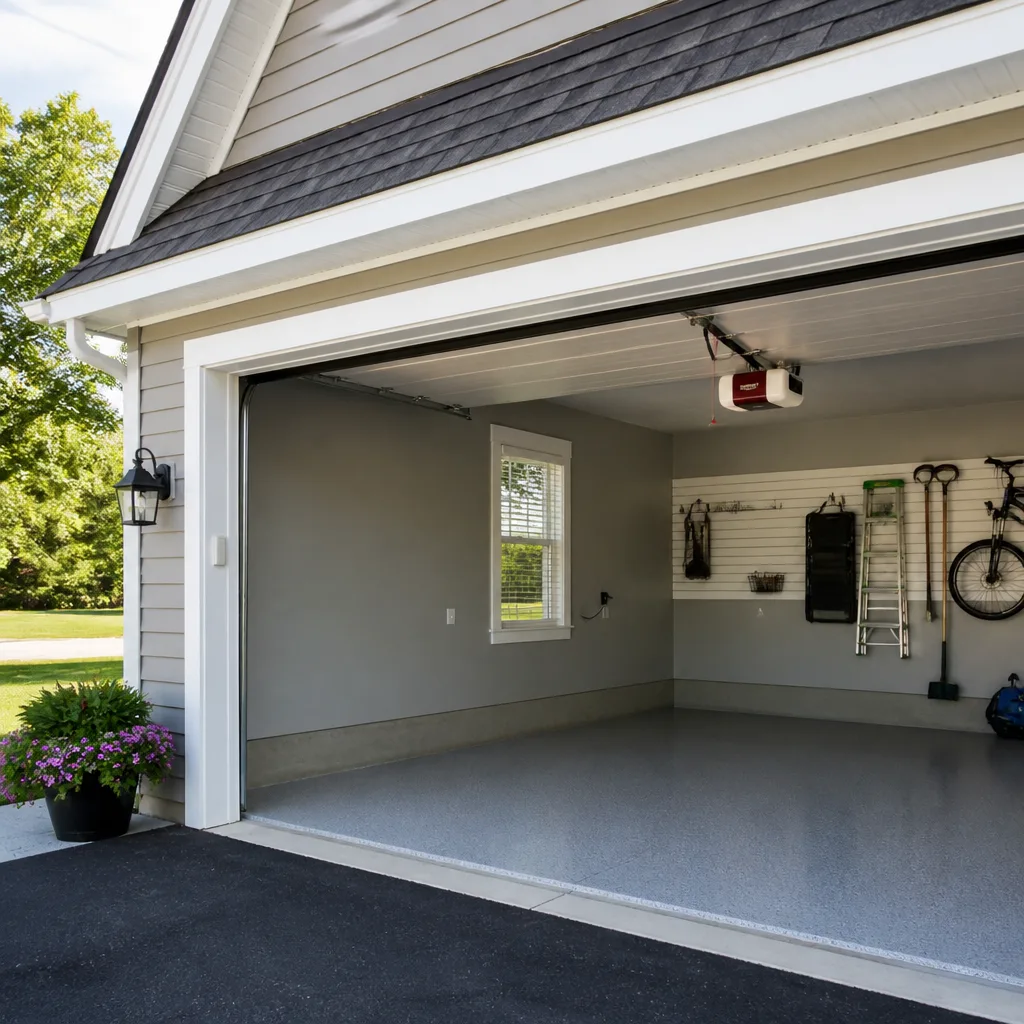 LiftMaster openers
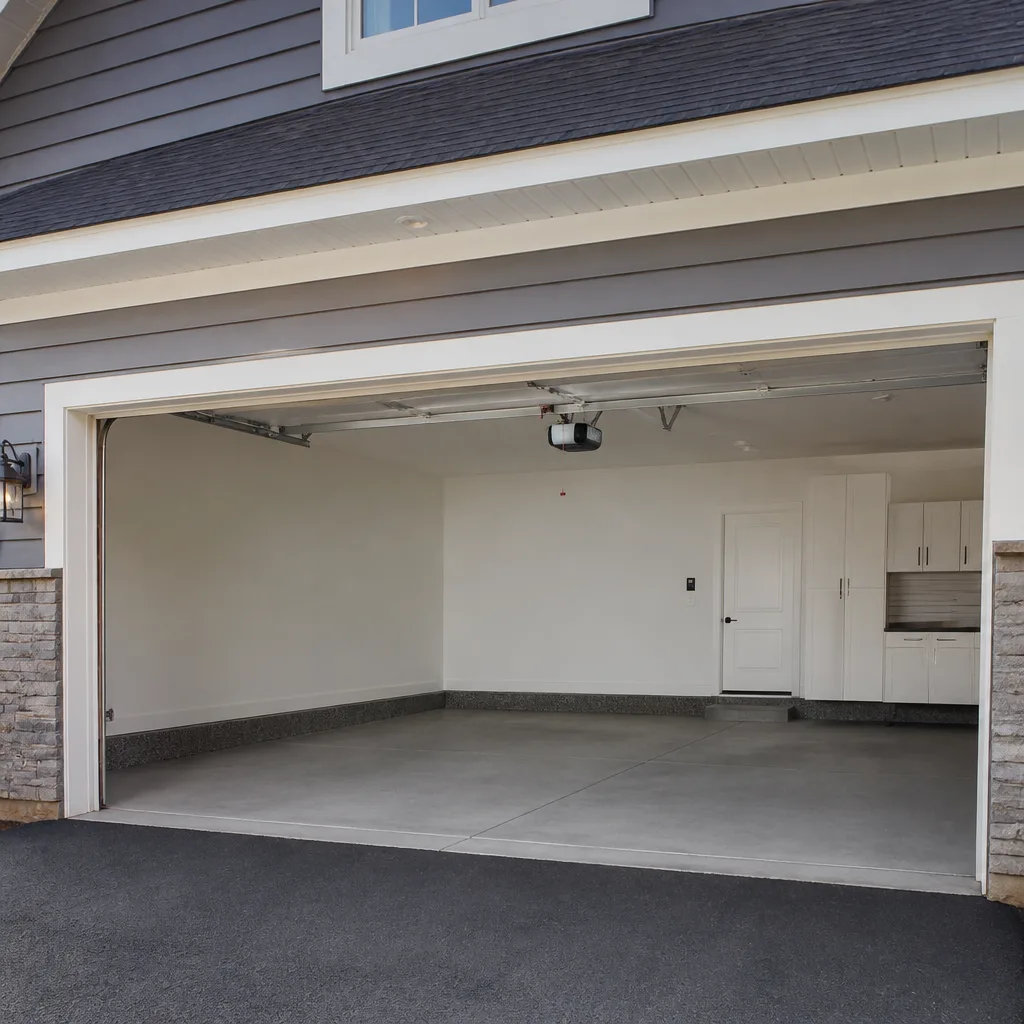 Chamberlain openers
Full 25-point door and opener safety check with every visit - springs, cables, rollers, tracks, and your LiftMaster or Chamberlain opener included
You get a price before we start. It does not change when the pro arrives.
Get your free estimateGarage Door Repair Maintenance Checklist for Frederick Homeowners
The number one call we get isn’t a broken spring or a dead opener. It’s a door that “started acting weird a few weeks ago.” A rattle that showed up in March. A roller that squeaked a little louder every month. A weather seal that started peeling off in the fall. Deferred maintenance on three $5 problems almost always becomes one $400 repair, and Frederick homeowners get hit with that math more often than they should. The truth about garage door maintenance is that it’s triage, not a to-do list. This guide ranks what actually breaks first, second, and third on the doors we see across Frederick, what you can safely handle yourself, and what needs a trained technician.
Quick Answer
A garage door maintenance checklist for Frederick should focus on the parts that fail most often in this climate: rollers, hinges, and weather seals first, then cables and torsion springs. Lubricate moving metal parts every quarter, test the door’s balance and safety reverse monthly, and call a professional the moment you see a cable with a broken strand or a spring with a visible gap. Never adjust springs, cables, or the torsion system yourself; those parts hold enough stored energy to cause serious injury.
Styles & brands we work with
- Raised-panel steel
- Carriage house
- Modern flush
- Full-view glass
- LiftMaster openers
- Chamberlain openers
Table of Contents
- What Breaks First, Second, and Third on a Frederick Garage Door
- The Right Way to Lubricate a Garage Door (and What Never to Use)
- The 60-Second Balance Test and Force-Sensitivity Check
- What Spring, Cable, and Roller Wear Actually Looks Like
- Monthly, Quarterly, and Annual Task Split
- How Frederick Weather and Humidity Affect Your Door
- Brand-Specific Quirks: LiftMaster, Chamberlain, Genie, and Raynor
- Common Mistakes to Avoid
- When to Call a Professional
What Breaks First, Second, and Third on a Frederick Garage Door
If you graded every component on a garage door by how often it fails, the list would look very different from a typical maintenance checklist. Springs get all the attention because they’re dramatic when they let go. But the parts that generate the most repair calls in Frederick are the quieter ones: rollers, hinges, and seals that wear out slowly and make everything above them work harder.
Here’s the order we see most often on the standard sectional doors that make up most of Frederick’s housing stock, whether that’s a two-car attached garage in Ballenger Creek or a detached carriage-style door in the historic district:
- Rollers. Nylon or steel rollers are the wear item with the highest failure rate. They get flat-spotted and noisy long before they fail completely. On a door that cycles 4 to 6 times a day, budget for replacing the set of 10 to 12 rollers every 5 to 7 years.
- Hinges. Hinge wear follows rollers because it’s the same motion, the same load, and the same lack of lubrication that causes both.
- Weather seal and bottom rubber. These aren’t mechanical failures, but they’re the most common seal-level failure and the one most tied to local weather. Maryland’s freeze-thaw cycles crack a bottom seal faster than a mild climate will.
- Cables. The lift cables usually outlast the springs by a few years, but they take the same tension load and can fray. This is where the checklist turns from DIY to call-a-professional.
- Torsion springs. Springs are engineered to a specific cycle count and they fail predictably once they reach it. That’s usually somewhere between 7 and 12 years for a standard-cycle spring on a home door.
- Opener motor, logic board, or safety sensors. The opener is often the last thing to fail, and when it does, it’s usually a sensor misalignment or a capacitor, not the motor itself.
Why does this order matter? Because items 1 through 3 are the cheap ones, and each of them makes items 4 and 5 fail faster. A seized roller adds drag. That drag forces the opener to work harder and stresses the springs every single cycle. Skip the $5 problems for a few years and you’ve effectively shortened the life of a spring that was supposed to last a decade. For anything that reaches the tension side of this list, a specialist call is the right move. Our garage door spring repair team handles springs and cables as a core part of the job, not as an afterthought squeezed between gutters and locks.
The Right Way to Lubricate a Garage Door (and What Never to Use)
Lubrication is where DIY checklists go wrong most often, because the advice is usually just “lubricate the springs.” That’s both incomplete and, if you’re using the wrong product, actively harmful. Here’s the specific version.
What to use: A silicone or lithium-based garage door lubricant. Both are available at any hardware store in Frederick, and either works. Silicone runs a little cleaner in cold weather. Lithium lasts slightly longer in humid summers. Never use WD-40 as a lubricant (it’s a solvent, not a proper long-term lube, and it attracts dust that turns into grit), never use cooking spray, and never use motor oil on the rollers or hinges. Oil on a vertical track is a dust trap.
What to lubricate, specifically:
- Hinges: one drop or a short spray at each hinge pin. There are usually 8 to 12 hinges on a standard double door.
- Rollers: a small amount at the bearing, not the wheel face. If you have nylon rollers, they often need little to no lubrication and adding it can attract grit. Steel rollers in an older door do benefit.
- Torsion spring coils: a light coat along the coil, not soaked. The point is to reduce coil-on-coil friction, not to drown the spring.
- Vertical and horizontal tracks: wipe clean with a dry cloth, don’t lubricate. A dry track is the right track.
- Opener chain or screw drive: a chain-drive opener (common on LiftMaster and Chamberlain units found across Frederick) has a specific rail lube. Screw-drive Genie openers take a different product. Check the owner’s manual, or ask us and we’ll tell you the right one for your model.
- Lock and handle (on manual doors): a graphite lock lubricant, not an oil.
What never to lubricate: the photo-eye sensors, the opener’s logic board area, and the torsion springs when they’re under load. If a spring looks wet with oil from a prior maintenance attempt, that’s fine, it’s not dangerous, just messy. But don’t add more if the spring is mid-cycle on the door.
Do the lubrication pass once a quarter, and expect it to take under 15 minutes on a standard double door. If your door is garage door opener repair territory because the motor is straining or reversing mid-travel, lubrication isn’t the fix; that’s a mechanical or sensor issue.
The 60-Second Balance Test and Force-Sensitivity Check
You can check two of the most important safety measures on your garage door without any tools and in under a minute. This is the check that catches a failing spring or a misadjusted opener before it becomes a Monday-morning problem.
The balance test:
- Close the door fully and disconnect the opener by pulling the release handle (the red cord hanging from the rail).
- Lift the door by hand to about waist height and let go. A properly balanced door holds its position or drifts slowly.
- If the door slams down, the springs are losing tension and the opener is doing more lifting than it should. That’s a call-now situation.
- If the door drifts up on its own, the springs are over-tensioned. Also a call.
The force-sensitivity (safety reverse) test:
- Reconnect the opener by cycling the door once with the remote.
- Place a 2×4 flat on the floor under the center of the door, then close the door. It should reverse on contact with the board. If it presses down and stops, the force sensitivity is set too high.
- Separately, with the door open and the opener engaged, wave a hand about 6 inches in front of the photo-eye sensor while the door is closing. It should reverse immediately. If it keeps closing, the sensor is misaligned or blocked.
That’s the entire test. Do it monthly. The balance test takes 20 seconds, the force-sensitivity test takes 40. Together they catch almost every emerging tension or opener issue before it turns into a stuck door. We’ve seen more doors in Frederick with the opener set to “max force” to compensate for failing springs than we’ve seen with the factory setting intact. If the door needs to be cranked up to close, that’s a symptom, not a solution.
What Spring, Cable, and Roller Wear Actually Looks Like
“Watch for wear” is useless advice. Here’s what you’re actually looking for when you look at the three parts of your door most likely to fail.
Torsion springs
A torsion spring is the coiled bar mounted horizontally above the door, and it’s the part that most garage door injuries are tied to. Look at it in good light, with the door closed and the spring under load. Wear shows up as:
- A visible gap in the coil (spring is broken, even if one end hasn’t dropped)
- A reddish-brown ring or rust cluster anywhere along the coil
- A spring that looks significantly stretched compared to what you remember, though this is hard to judge without a reference
- Sagging of the shaft beneath the spring
If you see a gap, stop using the door and call. A broken spring can drop without warning while you’re lifting or working under the door. Do not attempt to lift a door with a broken spring by hand, and never try to install or uncoil a torsion spring yourself. The tension stored in a wound spring is equivalent to a significant mechanical force and can cause serious injury or worse. The safest thing you can do is close the door if it’s open and call us.
Cables
The lift cables run from the bottom corners of the door up to the drum at the top of the torsion shaft. Cables fail by fraying, and a single broken strand means the cable is compromised even though it hasn’t snapped. Look at the cable where it bends over the bottom bracket and where it enters the drum. Wear looks like:
- A single wire strand sticking out from the braid
- Fraying near the bottom bracket or the drum
- Visible rust on the braid
- Cable slack in one side but not the other
The good news is you don’t need to be near the cable to check it. Look from a step back and use a flashlight. If you see one broken strand, don’t operate the door; a cable that snaps while the door is up can drop one corner of the door fast. Call us, and keep anyone from standing under the door.
Rollers
Rollers are easy to check from the ground with the door partially open. Look at each roller in the track. Wear looks like:
- Flat spots on the wheel
- Cracks in a nylon roller (common on doors 6+ years old)
- A roller that wiggles side to side in its stem
- Chatter or a rhythmic grinding when the door runs
Rollers are the one part on this list a moderately handy homeowner can replace without much risk. But if the track is also bent or out of alignment, leave it to a technician; a door that jumps track is a two-person job with a proper clamp.
Monthly, Quarterly, and Annual Task Split
The reason most maintenance checklists get ignored is that they’re a wall of bullets you’re supposed to remember. This one is split by frequency so you can actually use it. Print it and put it on the wall of the garage. Do the monthly tasks in three minutes, the quarterly tasks in fifteen, and call us for the annual inspection if you want a trained pair of eyes on the tension side of the door.
Monthly tasks (about 3 minutes)
- Visual scan of the springs, cables, and rollers (see the wear section above)
- Run the balance test (door disconnected, waist height, let go)
- Run the force-sensitivity check (2×4 under the door, sensor wave test)
- Listen for odd sounds: pops, grinding, or a door that hesitates mid-travel
- Clear the photo-eye sensors of cobwebs and dust (very common in Frederick’s garages)
Quarterly tasks (about 15 minutes)
- Full lubrication pass on hinges, rollers, torsion spring coils, and rail (per the lubrication section)
- Wipe down the tracks with a dry cloth, no lubricant
- Check hinge screws for tightness (hand-tight, don’t over-torque)
- Inspect the bottom weather seal for cracking or separation
- Test the manual release to make sure it engages and disengages cleanly
Annual tasks (about 30 minutes or a service visit)
- Full visual inspection of cables and torsion springs by someone who knows what to look for
- Verify the opener’s force and travel limits against the manufacturer’s specs
- Check the bottom bracket bolts and the door’s track alignment
- Replace the weather seal if it’s cracked
- Check the opener’s battery backup (if your opener has one) and the photo-eye alignment
If you’d rather have a specialist run through the annual list, that’s what we do. Our technicians have up to 11 years of experience on doors from the eight major manufacturers, and they know the specific failure modes you won’t find on a generic checklist. Our garage door repair service covers everything from a single roller swap to a full track realignment, and we’ll tell you honestly whether you need a repair or just a tune-up.
How Frederick Weather and Humidity Affect Your Door
Frederick sits at the edge of Maryland’s Piedmont, which means the local climate runs through all four seasons, with humid summers and freeze-thaw winters. That has specific effects on a garage door that don’t show up in a checklist written for Arizona or coastal California.
- Freeze-thaw cycles put stress on springs and cables. The metal in torsion springs and lift cables contracts and expands with temperature swings. A spring at the end of its cycle count is more likely to fail in a cold snap. If you hear a door that groans in January, that’s actually the spring and cable telling you something.
- Humidity causes rust on cables and unconserved hardware. A garage isn’t climate-controlled. Cables stored in a humid garage will develop surface rust faster than cables in an arid one, and surface rust is the first step toward a frayed cable.
- Bottom seals crack faster here. The bottom weather seal takes the brunt of the freeze-thaw cycle. On a door in Frederick that cycles daily, plan on replacing the bottom seal every 4 to 6 years rather than the 8 to 10 you’d get in a mild climate.
- Summer heat affects opener motors and logic boards. A garage that hits 100°F in July puts thermal stress on any opener motor, particularly an older Genie or Chamberlain unit nearing the end of its service life. Keep the opener ventilated and check the force setting each summer.
- Local pollen and spring dust clog photo-eyes. It sounds trivial, but the number of “door won’t close” service calls we get in April and May that turn out to be spiderwebs or pollen on a photo-eye is higher than you’d expect. It’s a monthly one-minute wipe.
None of this makes a Frederick garage door high-maintenance. It just means the checklist above is worth doing, and the annual inspection is worth it too, because this climate gives the mechanical parts more work to do than a milder one would.
Brand-Specific Quirks: LiftMaster, Chamberlain, Genie, and Raynor
We work on virtually every major brand, and the maintenance checklist is roughly universal across them. But there are a few things worth knowing if your garage is running a LiftMaster, Chamberlain, Genie, or Raynor, because each has its own quirks.
LiftMaster and Chamberlain. These two are practically the same family of openers, so the quirks travel together. The most common maintenance issue we see is a misadjusted travel limit on a door that’s been running fine for years. The opener thinks the door should close further than it should, or less far, and it either strains at the bottom or reverses halfway. Check the travel limit yearly against the manual. The second quirk is the chain tension: too tight is actually worse than slightly loose on a chain-drive LiftMaster or Chamberlain, so don’t over-tighten.
Genie. Screw-drive Genies are common in Frederick and quiet when they’re new, but the screw rail needs a specific lube, and if it’s dry the opener will sound like it’s grinding. This is one where the manufacturer’s manual is a real reference, not a suggestion. The other Genie quirk is the safety sensor’s alignment; Genie sensors are picky about being exactly level with each other, and a slight bump is enough to make the door refuse to close.
Raynor. Raynor doors and openers are durable but their torsion systems are tensioned differently than most, which means a technician who hasn’t worked on a Raynor before can really make a mess of a spring replacement. If you’ve got a Raynor system and it needs a spring or cable, call a specialist. Our Frederick Garage Door Repair Pros team works on Raynor systems along with the other seven major brands, and we’ll give you a straight read on whether the door needs repair or just a tune-up.
For Clopay, Amarr, Wayne Dalton, and Craftsman owners, the checklist above is universal. Craftsman openers are essentially rebadged Chamberlain units, so the same chain and travel-limit advice applies. Clopay and Amarr doors have solid, standard torsion systems, and Wayne Dalton doors often use a TorqueMaster spring if they’re newer, which is a specialist-only system to service. If you’re not sure which system you have, a call gets you an answer in a minute.
Common Mistakes to Avoid
- Running WD-40 on the tracks and rollers. It cleans well and lubricates badly. It attracts dust that turns into grit, and the grit accelerates the roller wear. A silicone or lithium garage door lube is the right call.
- Cranking the opener’s force setting to solve a stiff door. If the door only closes with the force dialed up, the door is telling you the springs are losing tension or the rollers have flat spots. That’s a symptom being masked, not fixed.
- Adjusting a torsion spring yourself. This is the one component that warrants an absolute “call a professional.” A wound torsion spring stores enough energy to cause serious injury even when the door is closed. It’s also the part you’re most likely to make worse without the right winding bars and training.
- Ignoring one broken cable strand. The cable is at the end of its service life the moment a single strand snaps. Waiting to see if it holds is a gamble on the door dropping a corner while it’s open.
- Skipping the balance test because the door “still works.” A door that still opens but fails the balance test is failing in slow motion. The opener is compensating, which means it’s working harder, and the failure gets bigger.
- Waiting for the bottom seal to completely fall off. A cracked or peeling bottom seal lets in water, ice, insects, and cold air. On a Frederick door, that’s a much harder problem by February than it is in September.
- Assuming a generalist knows spring replacement. A handyman who can replace a door hinge is not necessarily equipped to service a torsion system safely. Spring work is trade-specific, and calling a specialist for spring repair is not overkill.
When to Call a Professional
Call us before you touch the door if any of these apply. A torsion spring with a visible gap. A cable with a broken strand. A door that slammed down during the balance test. A door that reversed midway through closing on its own. A door that jumped off its track. Any opener that sparks, hums loudly without moving, or smells like hot electronics. Any door where the opener has to be cranked up to force it closed. All of these involve either tension-side parts or electrical components where the safer route is to sit tight and call.
For everything else, be honest about your own comfort level. If replacing a weather seal in a Frederick garage is something you’d rather hand off, call us. Frederick Garage Door Repair Pros offers free estimates in Frederick, and the price is quoted and agreed before any work starts. Call (855) 658-4191.We answer 24/7, with fast dispatch from 7am to 7pm, Sunday through Friday. Emergency garage door service is available for a door stuck open or a spring trapping a car inside, and same-day service is on the table for repairs.
See the difference
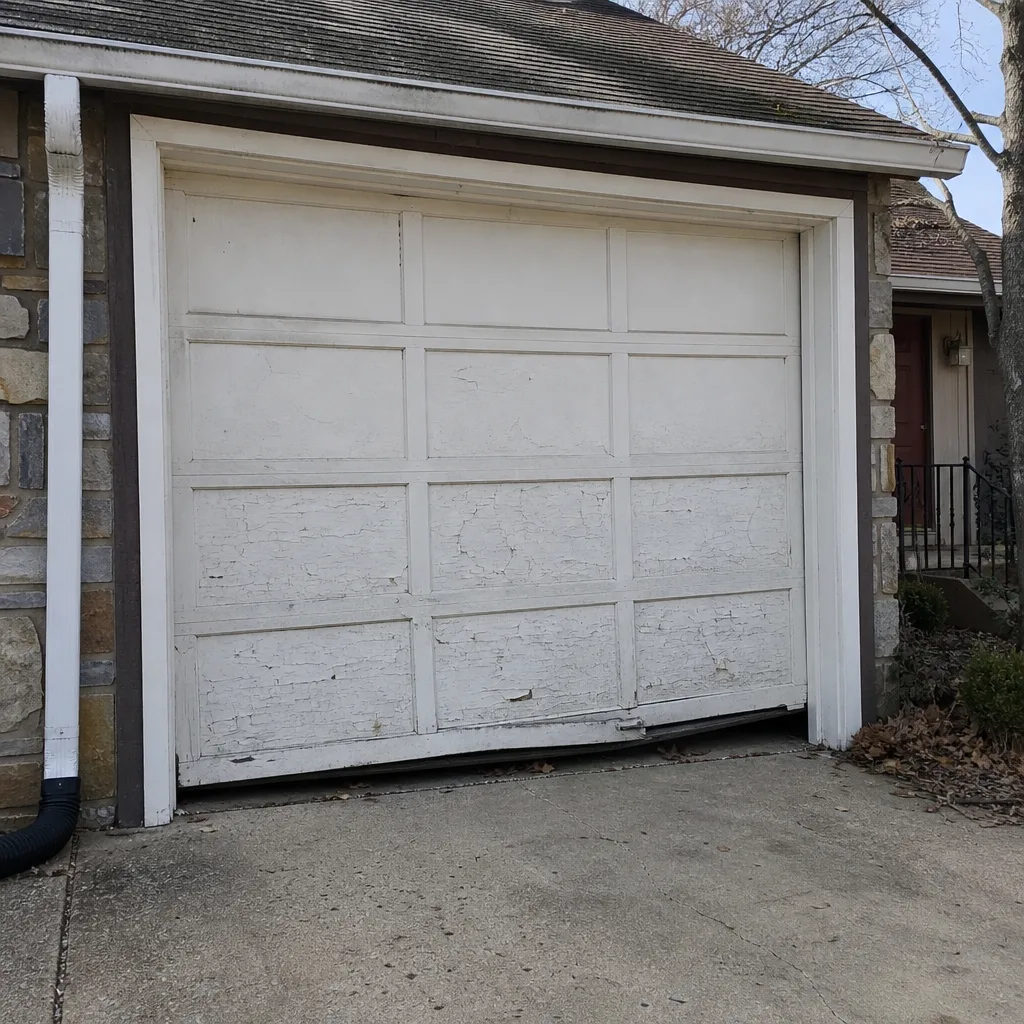 Before
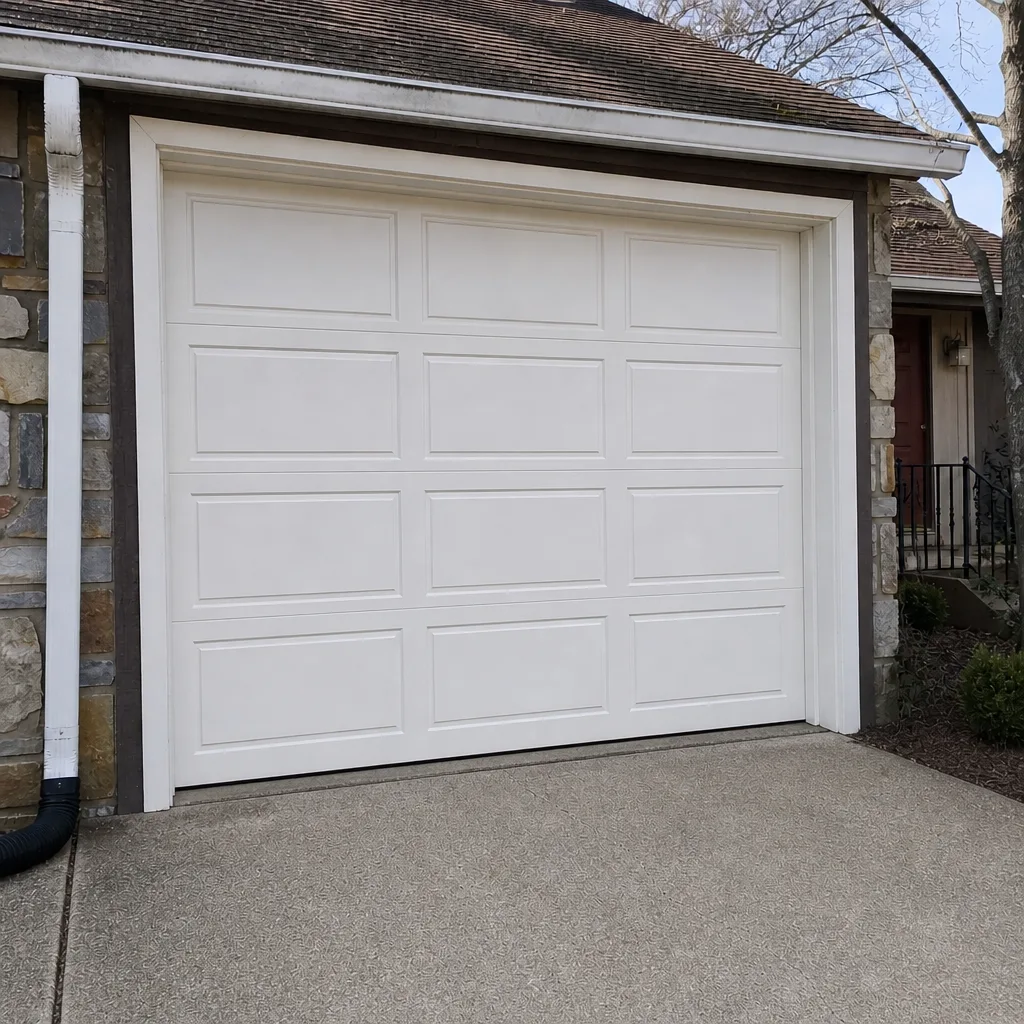 After
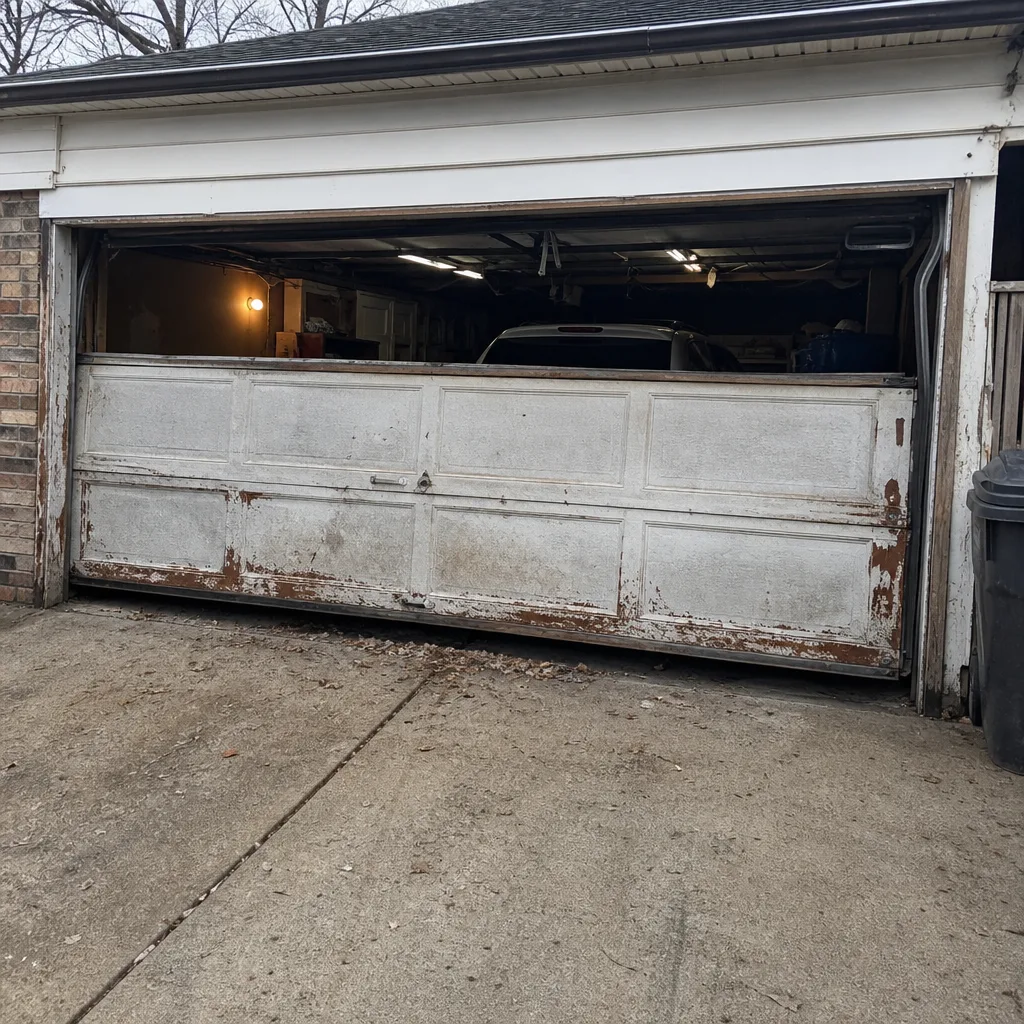 Before
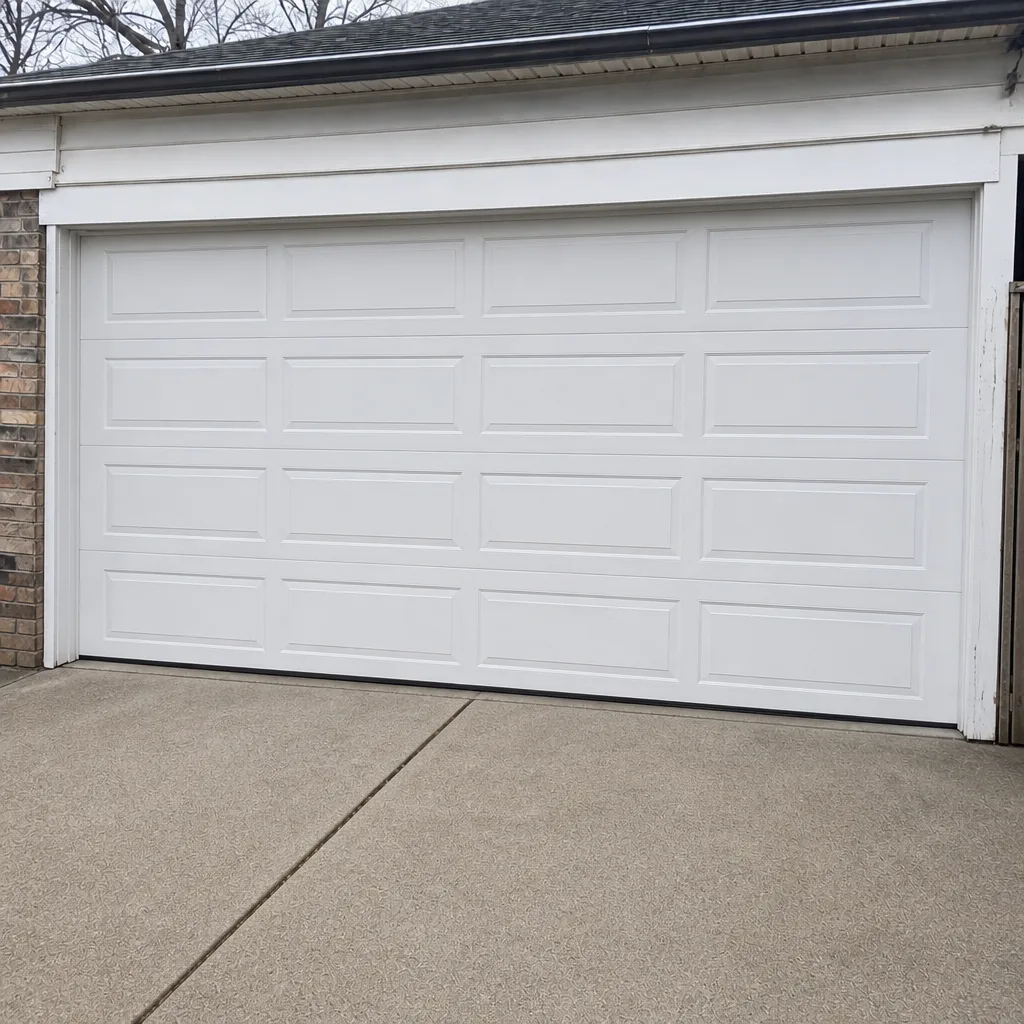 After
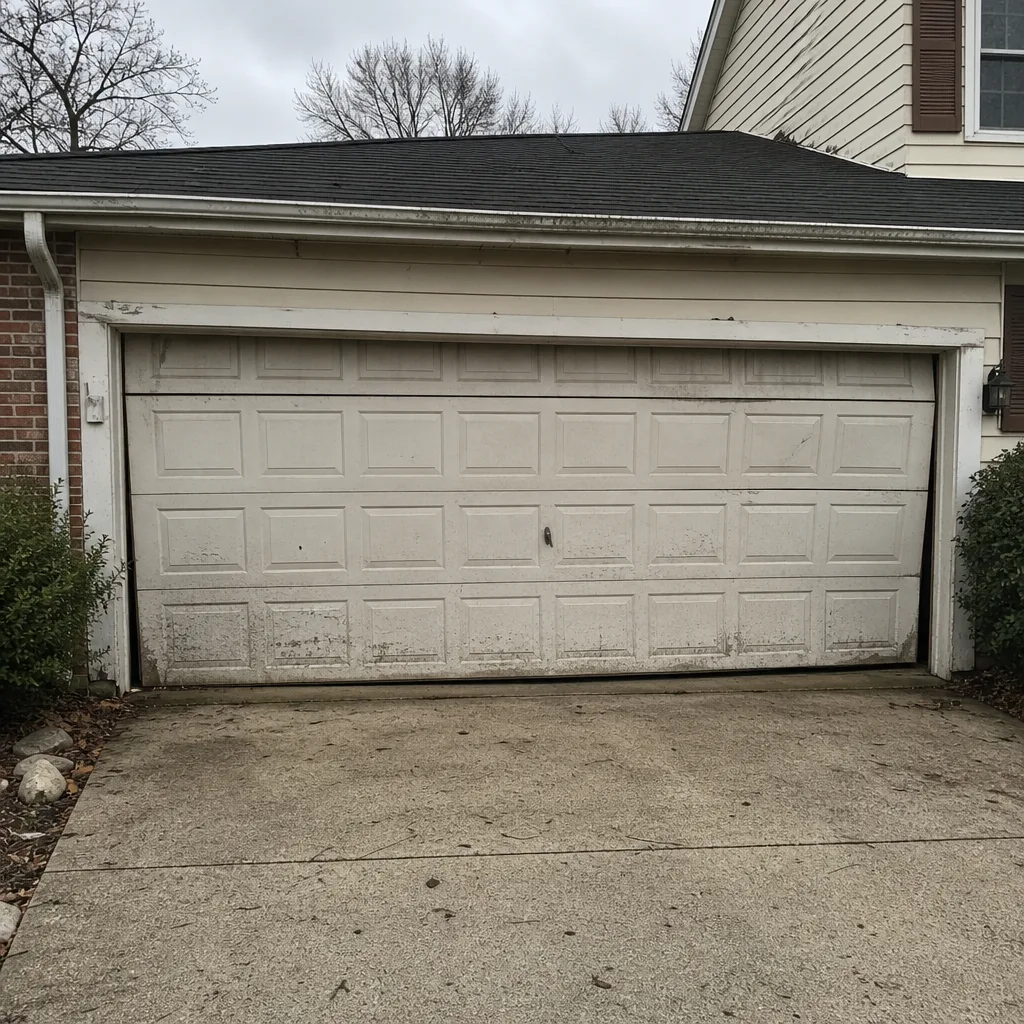 Before
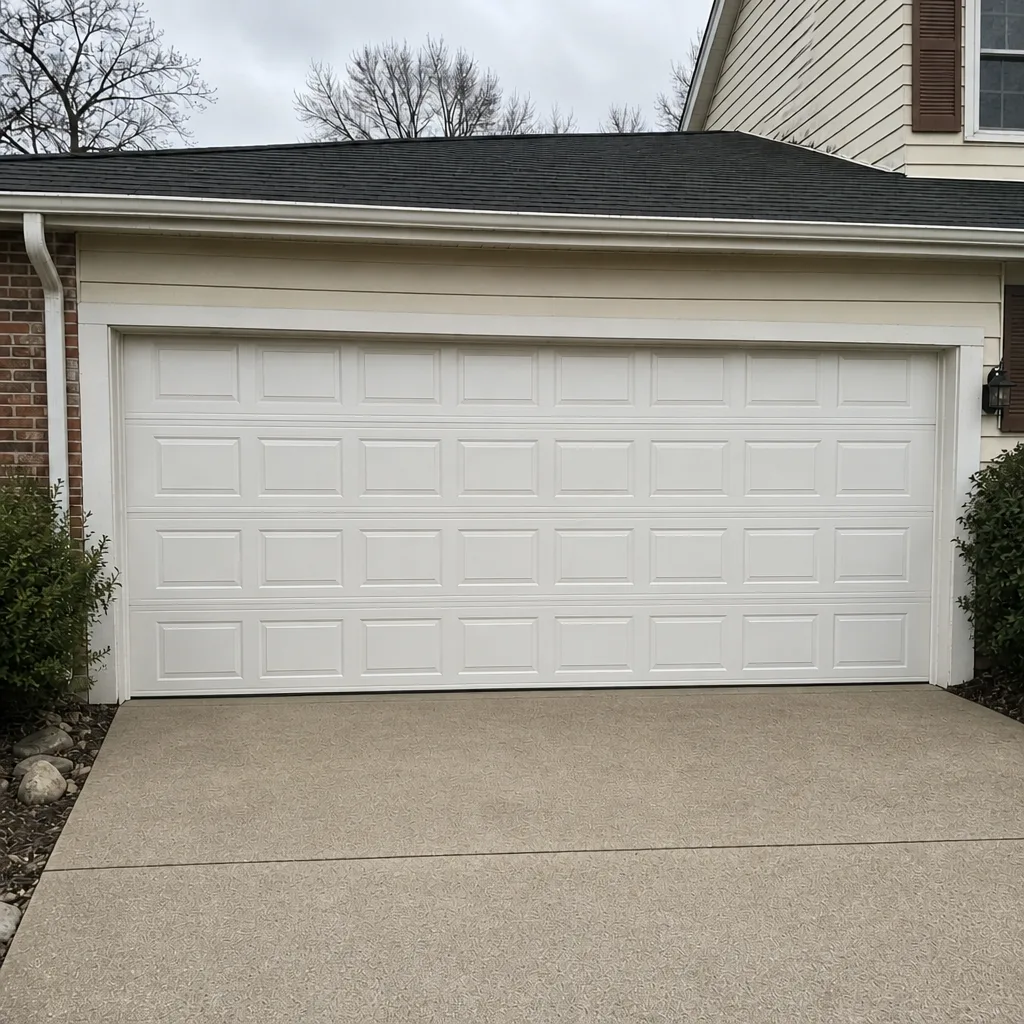 After
Frequently Asked Questions
Plan on a professional service visit once a year, with monthly DIY checks on the balance, force-sensitivity, and photo-eyes, and quarterly lubrication. Frederick’s freeze-thaw cycles and humid summers are harder on cables and weather seals than a milder climate, so sticking to the annual visit matters here. If your door is past 8 years old or cycles more than 6 times a day, an annual visit goes from recommended to important.
Yes, you can lightly lubricate the coiled torsion spring with a silicone or lithium-based lube while the door is fully closed, and that’s part of the quarterly checklist. What you can’t do yourself is adjust the spring, uncoil it, or wind a new one. That’s a trained technician job every time, because a torsion spring under tension is the most dangerous component on the door and can cause serious injury. Lubricate, then call for anything that involves the coil itself.
A gap in the coil, a rust ring or reddish-brown cluster on the spring, or a door that fails the balance test (slams down when released at waist height) are the three warning signs. Springs don’t usually fail with a lot of advance notice, but they do give you these clues in the weeks before. If you see any of them, stop operating the door and call us for a garage door spring repair. We answer 24/7.
A tune-up is quoted per door and priced on a free estimate. We don’t use a flat number for every door because the work depends on what the tune-up finds: a door that needs lubrication and a force-setting adjustment is a very different visit than a door that needs a roller swap and a new bottom seal. Call (855) 658-4191 for a free estimate, and we’ll give you a written price before any work starts so there’s no surprise on the invoice.
Replace just the rubber insert if the aluminum track the seal sits in is still straight and sound. Replace the whole seal-and-track assembly if the aluminum is bent, dented, or pulling away from the door. On older doors in Frederick, we often find the aluminum track is fine and only the rubber has cracked from the freeze-thaw cycle. A visual check from a step back tells you which one you have. Call us if you’re not sure.
No. Always disconnect the opener with the manual release (the red handle) before you lift the door for a balance test. Lifting against an engaged opener stresses the opener’s gear and can damage the logic board, and it gives you a false reading on the balance test. Disconnect, lift, test, reconnect. The manual release is there for exactly this. If the release itself won’t pull cleanly, that’s a call-us item; it means the door is under unusual tension.
The photo-eye alignment. It’s the part that gets ignored because it doesn’t squeak and doesn’t fail loudly; it just slowly drifts out of alignment or collects dust until one day the door won’t close and it takes a technician to spot the problem. Wiping the eyes and checking that the indicator light is solid (not flickering) takes under a minute a month, and it prevents more service calls than any other single item on this list. Our garage door opener repair team handles sensor misalignment and logic board failures on all the major opener brands.
When a Spring Breaks: What to Do Before We Arrive
If your spring has already failed, don’t panic. Close the garage door if it’s open, using the manual release if the opener is fighting you, and stop using the door. Keep everyone clear of the door area, especially kids. Don’t try to lift the door by hand to get a car out; a door with a broken spring is much heavier than it looks, and the disconnected safety systems on that door are not worth gambling on. If you have a second car-free way out of the house, use it for the day.
Call us at (855) 658-4191, and we’ll send the next available technician. Emergency garage door service is a genuine part of what we do, and a door stuck open or a car trapped inside is exactly the kind of thing we’re set up to handle. Same-day repair on a broken spring is common. The written estimate comes before any work starts, so you’ll know the price before we begin.
The Bottom Line
Garage door maintenance is triage, not a to-do list. Rollers, hinges, and weather seals fail first, and letting them go accelerates wear on the more expensive parts above them. Lubricate quarterly with the right product (silicone or lithium, never WD-40 on the tracks), run the balance and force-sensitivity tests monthly, and call the moment you see a spring gap or a broken cable strand. The cheap tasks on this checklist are the ones that prevent the expensive ones. If your door is in Frederick and something doesn’t look right, call us and we’ll take a look. The Frederick Garage Door Repair Pros team works on virtually every major brand, and garage doors are all we do, so we do them right.
Call (855) 658-4191 for a free estimate. We answer 24/7, with fast dispatch from 7am to 7pm, Sunday through Friday.
Written by the team at Frederick Garage Door Repair Pros.